When can FSD achieve full automatic driving? Musk seems to give the answer.
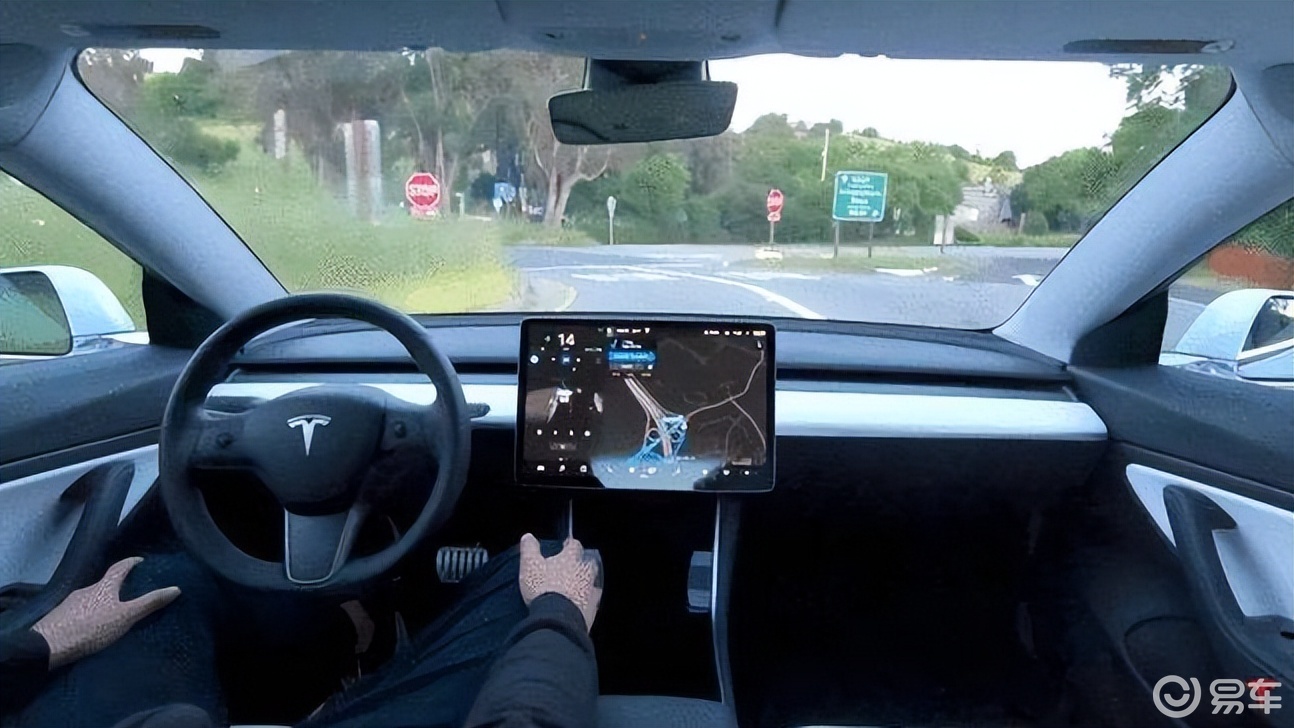
FSD, the abbreviation of full self-drive, means "fully automatic driving".
As far as a series of mass-produced electric smart cars are concerned, except for Tesla, which sells an optional package called "FSD", none of the other brands of vehicles define their intelligent driving system as "completely automatic"; At best, "advanced intelligent driving" or "L2.999++"will be used to define or describe, and these ambiguous definitions will not make car companies bear the responsibility related to traffic accidents of intelligent driving system.
On the contrary, once the intelligent driving system is defined as "≥L3", all traffic accidents caused by autonomous driving need to be borne by automobile manufacturers; So some car enthusiasts think Tesla is very powerful, but the fact is that its FSD has additional instructions.

So far, Tesla’s "fully automatic driving" optional package with a price of 64,000 yuan still has additional instructions.
The core content of its additional explanation is still "the demonstration that the activation and use of the above functions will require billions of miles of driving mileage, and your vehicle will be continuously upgraded through OTA air software update". Generally speaking, it is impossible to achieve full automatic driving at present, and it is hard to say when it will be realized. Only slowly wait for the subsequent upgrade-this is a "period package". However, there are still many Tesla car users or brand fans who firmly believe that it will not take long to achieve fully automatic driving, but it is impossible to analyze it from both theoretical and practical levels.
Tesla CEO elon musk finally commented on fully autonomous driving. When Musk responded to the non-profit organization Texas Public Policy Foundation’s concerns about autonomous driving, he said:
It will take at least 10 years for most cars to achieve autonomous driving, but within that time range, this is a reasonable concern.
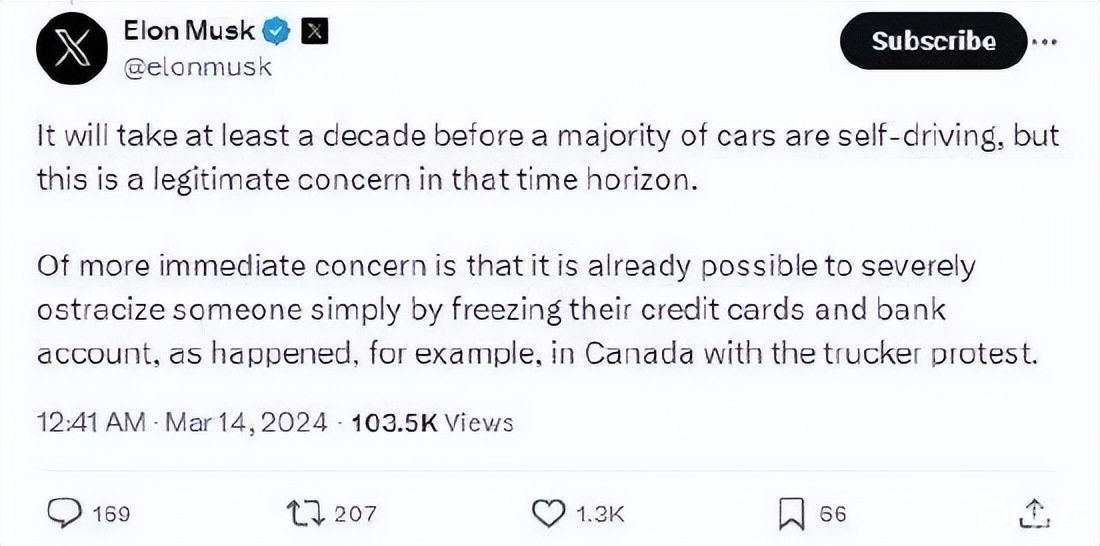
The so-called worry here refers to the concern of the agency, which believes that autonomous driving will lead to action tracking and limit personal mobility; Musk’s point of view is that if autonomous driving can be popularized ten years later, the question he raised at that time will be an objectively worrying issue. On the contrary, this description basically shows that it is impossible for most vehicles to achieve automatic driving within ten years, so when can Tesla’s FSD truly achieve full automatic driving? Perhaps Musk’s remarks can be used as a reference.
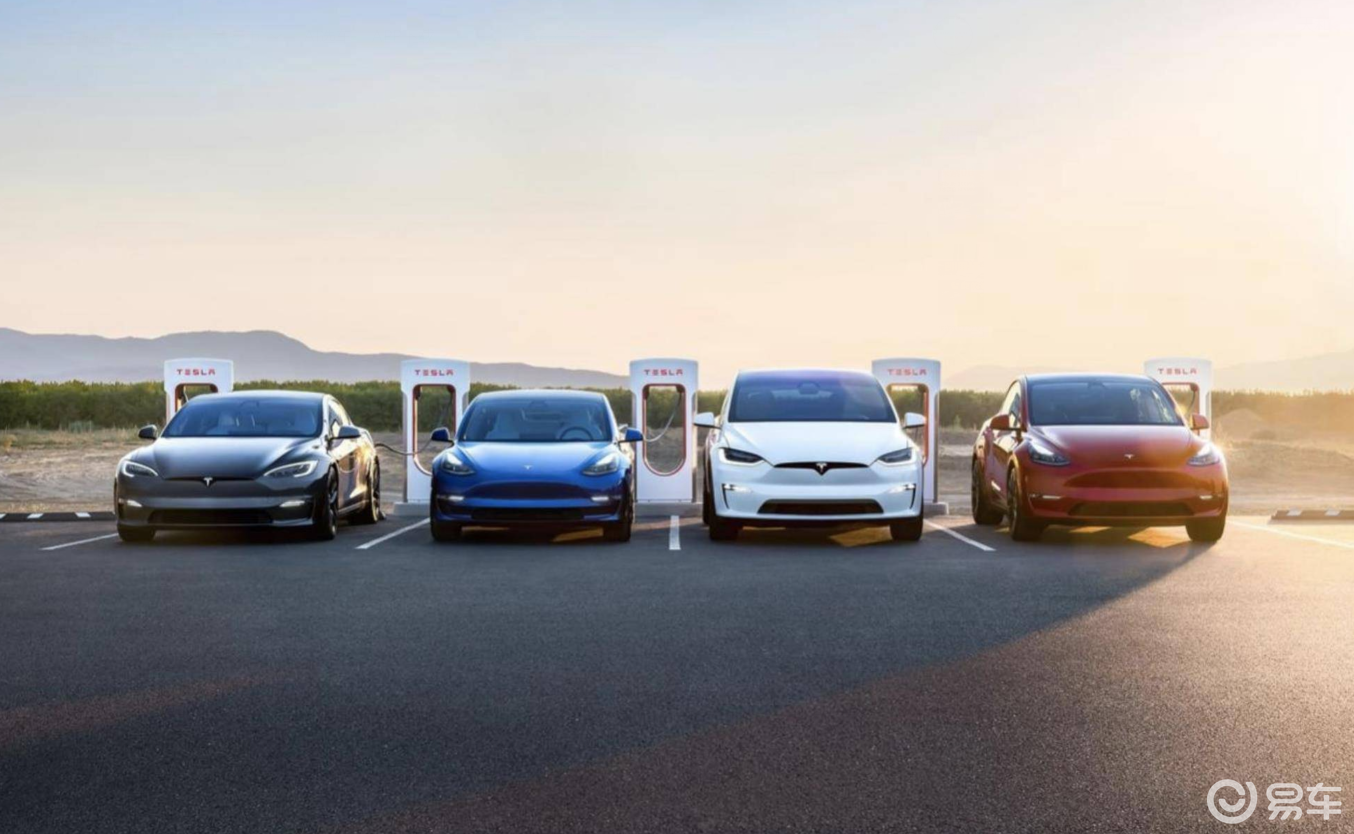
Interpretation of obstacles to the popularization of autonomous driving
If you only look at one car, it is not difficult to achieve full automatic driving.
Because AI can be smarter than any human, it can make more accurate judgments and operations than human drivers in the face of standardized roads; And human drivers will be distracted, sleepy and tired, but machines will not, so theoretically self-driving cars will be safer. Judging from the current sensor technologies and manufacturing costs, the price of a self-driving car equipped with camera, millimeter-wave radar and laser radar can be less than 200,000 yuan. At present, the lowest price of an intelligent electric car equipped with the above hardware is only 180,000, which is a medium-sized car from China brand.
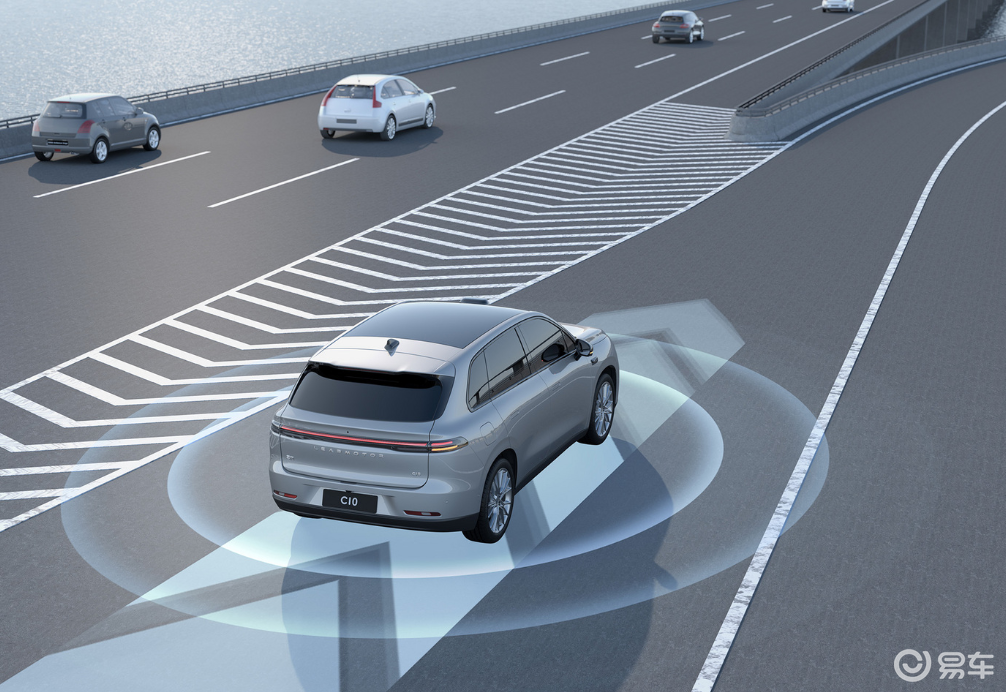
However, there is no ideal road environment, even the expressway is no exception.
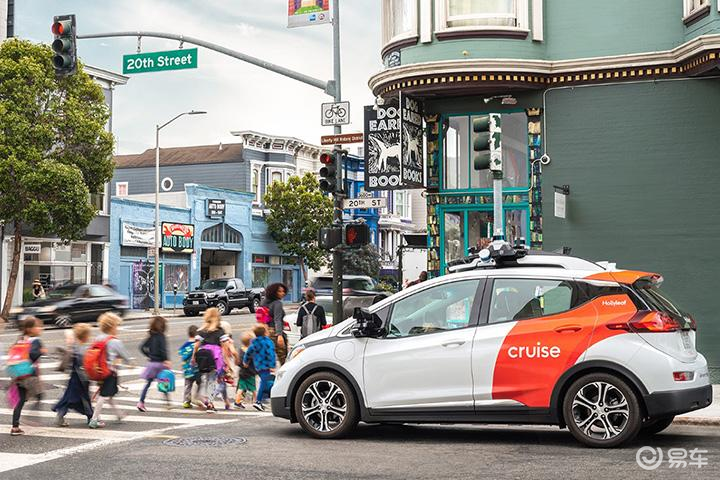
Roads except expressways are mixed with people and vehicles, including motorcycles, electric vehicles and non-motor vehicles; A variety of traffic terminals meet in the same scene, and theoretically there are infinite possibilities. Human drivers can always find the right solution in the face of complex traffic environment, because human drivers have feelings and can analyze advantages and disadvantages and weigh the weight; However, the machine will not. In this complicated situation, it is likely to cause the downtime of the smart car, and even if the system can still run, it may make a wrong judgment.
A wrong judgment may be that a smart car hit or even dragged a pedestrian or a non-motorized car. Similar cases have appeared on driverless taxis in North America.
Conclusion:
There are two prerequisites for the popularization of fully self-driving cars. One is that the vehicle itself has the ability to analyze emotional logic, but this possibility is not great; The second is to build a smart three-dimensional transportation system, so that it is possible to make self-driving cars drive safely by separating people from vehicles, but the cost is too high, so it is really impossible to fully popularize them in the short term.
The C-end user market for self-driving car users is expected to take 15 to 20 years.
Tianhe Auto editor, welcome to turn to praise.