Behind the accusation of "armed rebellion": Where did the rift between Wagner and the Russian military come from?
"During the battle (referring to special military operations), any grievances should be put aside, and now the fate of the Russian nation is facing a choice." Russian President Vladimir Putin stressed in a televised speech on the 24th that the Russian armed forces have received the necessary orders to eliminate those who organized armed riots.
The day before, the Russian Federal Security Service announced that it had initiated a criminal investigation against Prigozhin, the founder of the Russian private armed "Wagner" mercenary group, on the grounds that Prigozhin "called for an armed rebellion". Subsequently, the Russian General Prosecutor’s Office also said that Prigozhin had been prosecuted for armed rebellion, which could be sentenced to 12 to 20 years’ imprisonment.
Prigozhin denied that his action was a "military coup" and called it a "just war", and refuted Putin’s accusation of "treason", saying that their purpose was to save Russia from corruption and other phenomena. Earlier, news spread on social networks in the name of Prigozhin accused Russian Defense Ministry troops of attacking Wagner’s mercenary camp, saying that Wagner soldiers suffered "great losses" and promised to respond. The Russian Defense Ministry denied these accusations, calling them untrue and an "information provocation".
At present, the Russian capital Moscow and other places have stepped up their vigilance and are strengthening their anti-terrorism measures. On the other hand, Wagner mercenaries announced their entry into Rostov region in southern Russia on the 24th, and entered Voronezh region in southern Russia on the same day, claiming to control a number of military facilities in the region. The British "Guardian" pointed out that the situation in Rostov, the southern part of Russia, is in jeopardy, and the turmoil in an area of strategic significance to Moscow may have a far-reaching impact on the Ukrainian crisis.
In fact, since the conflict between Russia and Ukraine, Wagner mercenary group has been fighting side by side with the Russian army on the battlefield in Ukraine, and is regarded as a key force of the Russian army on the battlefield. Why did the founder of Wagner choose to stab the Russian army in the back at this time? Where did the rift between Wagner and the Russian army come from?
From Putin’s Chef to Wagner’s Founder
Wagner Group calls itself a "private military company", while more countries call it a mercenary organization. Its business covers operational staff, military consultants, training guidance, intelligence reconnaissance and so on. The organization is controlled by Russian oligarch yevgeny Prigozhin, who is the owner of a luxury restaurant in Russia. As a catering service contractor with close ties with many Russian political and military units, he once hosted a Russian state banquet, so he was called "Putin’s chef".
Wagner Group opened its new headquarters in St. Peter’s, Russia last November, and it first entered the public eye in 2014. According to the British Broadcasting Corporation (BBC), in 2014, Wagner supported the pro-Russian forces in eastern Ukraine and participated in Russia’s actions in Crimea.
In the west, Wagner has direct contact with the Russian government and should be regarded as an agency, but the Russian government denies Wagner’s participation in official military operations. According to the Reference News, on the surface, Wagner has no direct relationship with the Russian regular army and has not been officially registered, but has participated in Russian military operations in Syria and Ukraine. According to the British military intelligence department, Wagner was the backbone of the war between Soledad and Bachmut.
Before the outbreak of the conflict between Russia and Ukraine, Wagner also operated in southeastern Ukraine, Syria, Libya, Sudan, Central African Republic, Mali and Mozambique. According to previous reports, Wagner armed forces have the most advanced weapons and their own artillery. Most of its original members are veterans, and some even participated in the war in Afghanistan. They are well-trained and can perform the most complicated tasks, and are known for their efficient and fast actions.
Prigozhin once claimed on the social platform Telegram that Wagner’s actions in Africa were "honest and fair" and only aimed at "defending African people, including those oppressed by bandits, terrorists and others". However, Gomoti, director of Sadeq Institute, a Libyan think tank, pointed out in an interview with the media that the intervention of Wagner Group in Libya led to the division and paralysis of the whole country.
Wagner is famous for his fierce fighting style. Kolesnikov, a senior researcher at the Carnegie Endowment for International Peace, once said in the Russian independent media Novaya Gazeta that "exaggerated cruelty" is the characteristic of Prigozhin. Marat Gabidulin, a former member of Wagner Group, said in his memoir that Prigozhin’s "totalitarian" decision-making style often leads to misjudgment and casualties. "Because he firmly believes that he is always right, he is a genius and often overestimates his ability."
The "frontline hero" in the conflict between Russia and Ukraine
After Russia launched "special military action" in Ukraine, the confrontation between Russia and Ukraine gradually evolved into a long-term conflict, and Russia launched some military mobilization. In this context, Wagner became an auxiliary supplementary force of Russian troops in Ukraine.
In January this year, the British Ministry of Defence said: "It is almost certain that Wagner now commands 50,000 soldiers in Ukraine and has become a key part of the Ukrainian campaign." The US Department of National Security also holds the same view that Wagner’s 50,000 people in Uzbekistan are mainly composed of 40,000 prisoners from Russian prisons and 10,000 contractors.
From the outside world, Wagner’s influence expanded in the conflict between Russia and Ukraine, especially in January this year, Wagner claimed to occupy the important town of Leidal in Donetsk. According to Reuters, Russia occupied the Ukrainian city of Bakhmut in May, which was regarded as the biggest victory of Russia in the past 10 months, and Wagner was the biggest "hero" of this victory.
Prigozhin claimed that 20,000 of his soldiers were killed in the battle for Bakhmut, and about half of them were Russian prisoners. They were promised that they would be free after fighting in Ukraine for six months. US National Security Council spokesman John Kirby said at a news conference in May that Wagner’s death toll may exceed 100,000 since he joined the Ukrainian battlefield.
Wagner claimed in May that he had established a "defensive front" in Bakhmut, which was denied by the Ukrainian army. According to the Guardian, after winning Bakhmut’s victory, Prigozhin made a speech to the people in Russia together with former arms dealer viktor bout and other hardliners, propagating his image of toughness, populism and anti-elitism, and attacking the "incompetence" of the Russian Ministry of Defense, which resonated with Russians who were dissatisfied with the progress at the front.
"Wagner" and the escalation of high-level contradictions in the Russian army
Although Wagner’s troops have been fighting side by side with the Russian regular army, Prigozhin often criticizes the top of the Russian Defense Ministry. He claimed that Moscow did not provide enough ammunition for Wagner’s troops, and even questioned Putin’s special military action in an interview with Russian political activist Konstantin Dolgov in May, saying that the initial goal was to "demilitarize" Ukraine, but the action backfired and made the Ukrainian army stronger.
Over the past few months, Prigozhin has repeatedly accused Russian Defense Minister shoigu of being "incompetent". Recently, the contradiction has gradually escalated. At the beginning of June, Prigozhin claimed that shoigu deliberately made Wagner under-supplied, and the ammunition shortage rate was as high as 70%, so Wagner would leave Bakhmut and hand over the front to the Ministry of National Defense. This move is regarded as a threat to the Russian Ministry of Defense. In addition, Prigozhin has repeatedly denied the "victory" announced by the Russian Ministry of Defense, saying that the Ministry of Defense tried to "steal" Wagner’s glory.
According to the Guardian, in early June, Wagner also detained Lt Col Roman Venevitin, a Russian military officer, and the Prigozhin Press Office posted a video questioning the officer on the social platform Telegram. Roman Venevittin opened fire on Wagner’s vehicle after drunkenness, accusing Wagner of stealing weapons, forcing mobilized soldiers to sign contracts with the organization, and trying to extort weapons from the Russian Ministry of Defense to incite "anarchy" on the Russian front. This incident once again exposed the rift between Wagner and the Russian army.
As the war progressed, the rift between the two sides expanded into a wider gap. The Russian Defense Ministry said on June 10th that the "volunteer troops" in Ukraine must sign contracts with them before July 1st. This is considered to be an attempt by the Russian government to gain more control over these organizations. Prigozhin has refused to sign the contract and attacked the "inefficiency" of the command of the Ministry of National Defense.
On June 13th, Putin expressed his support for shoigu’s initiative to put informal groups under central control. Putin believes that this can provide mercenaries with the same benefits as soldiers: "This is the only way to ensure social security, because if there is no contract with the state and no contract with the Ministry of National Defense, then the state’s social security has no legal basis." "We need to do this and do it as soon as possible." Other pro-Russian groups fighting in Ukraine, such as Kadyrov of Chechnya, have signed contracts with the Russian Defense Ministry.
This actually shows that Putin supports the Ministry of National Defense led by shoigu in the dispute between Prigozhin and shoigu. Analysts believe that perhaps it is for this reason that Prigozhin, unwilling to lose control of Wagner, chose to "fight to the death" when the deadline came.
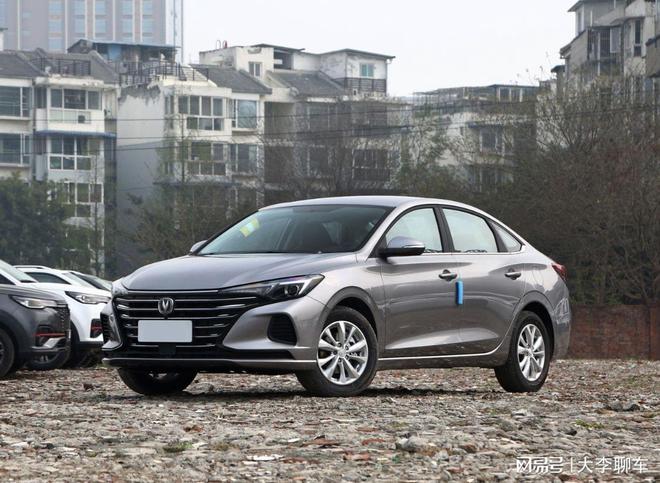

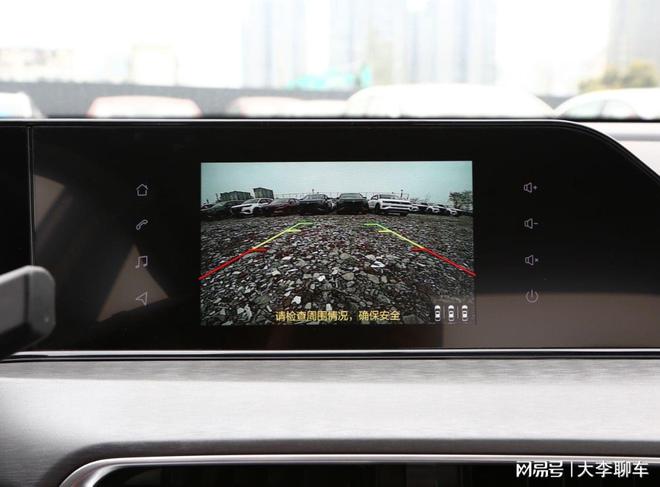

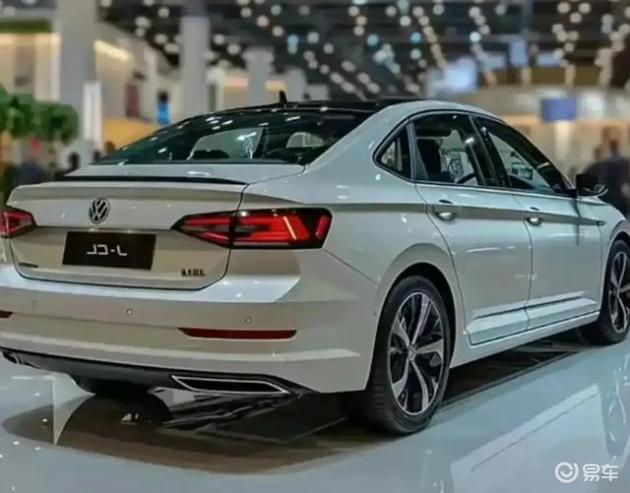



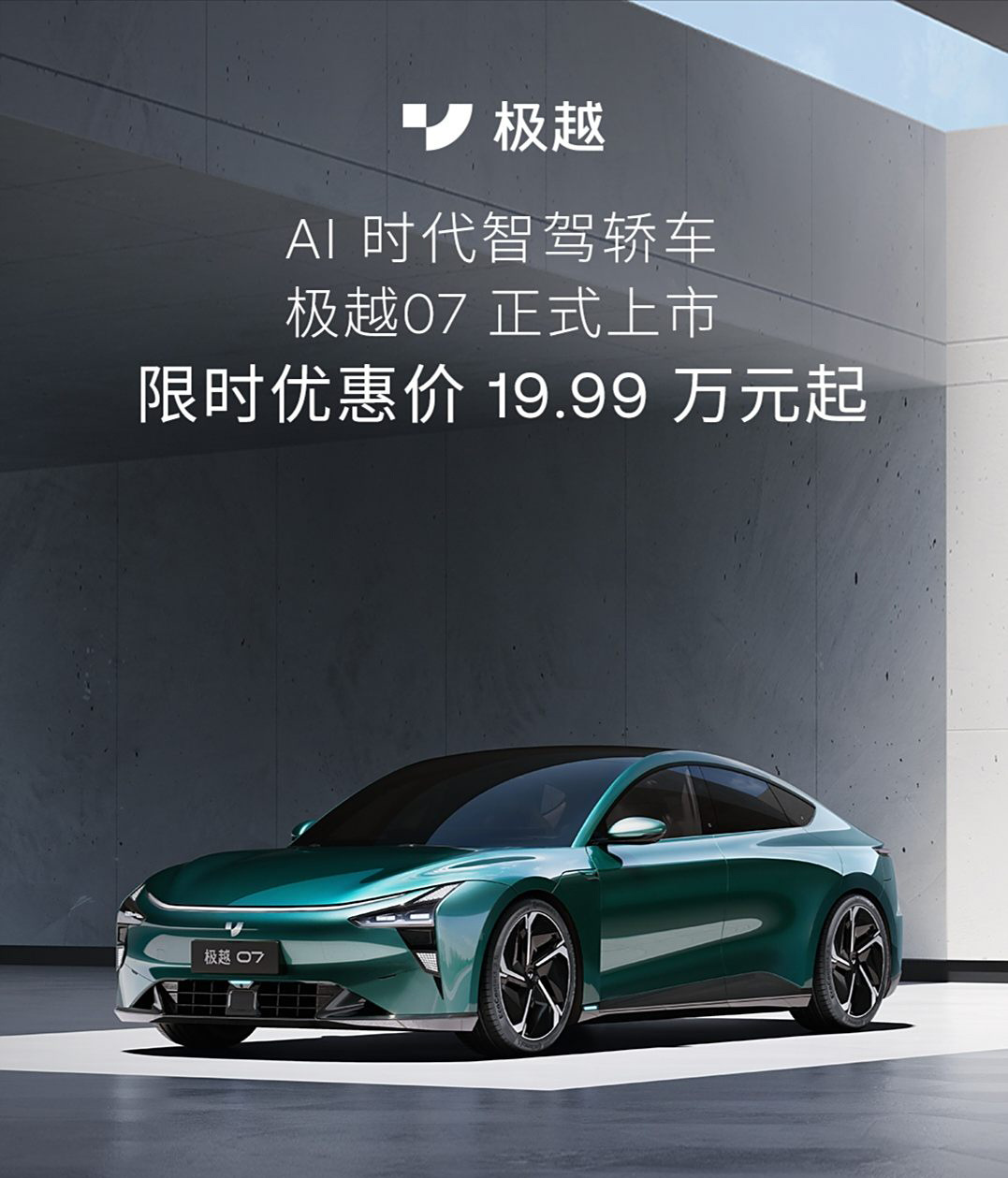
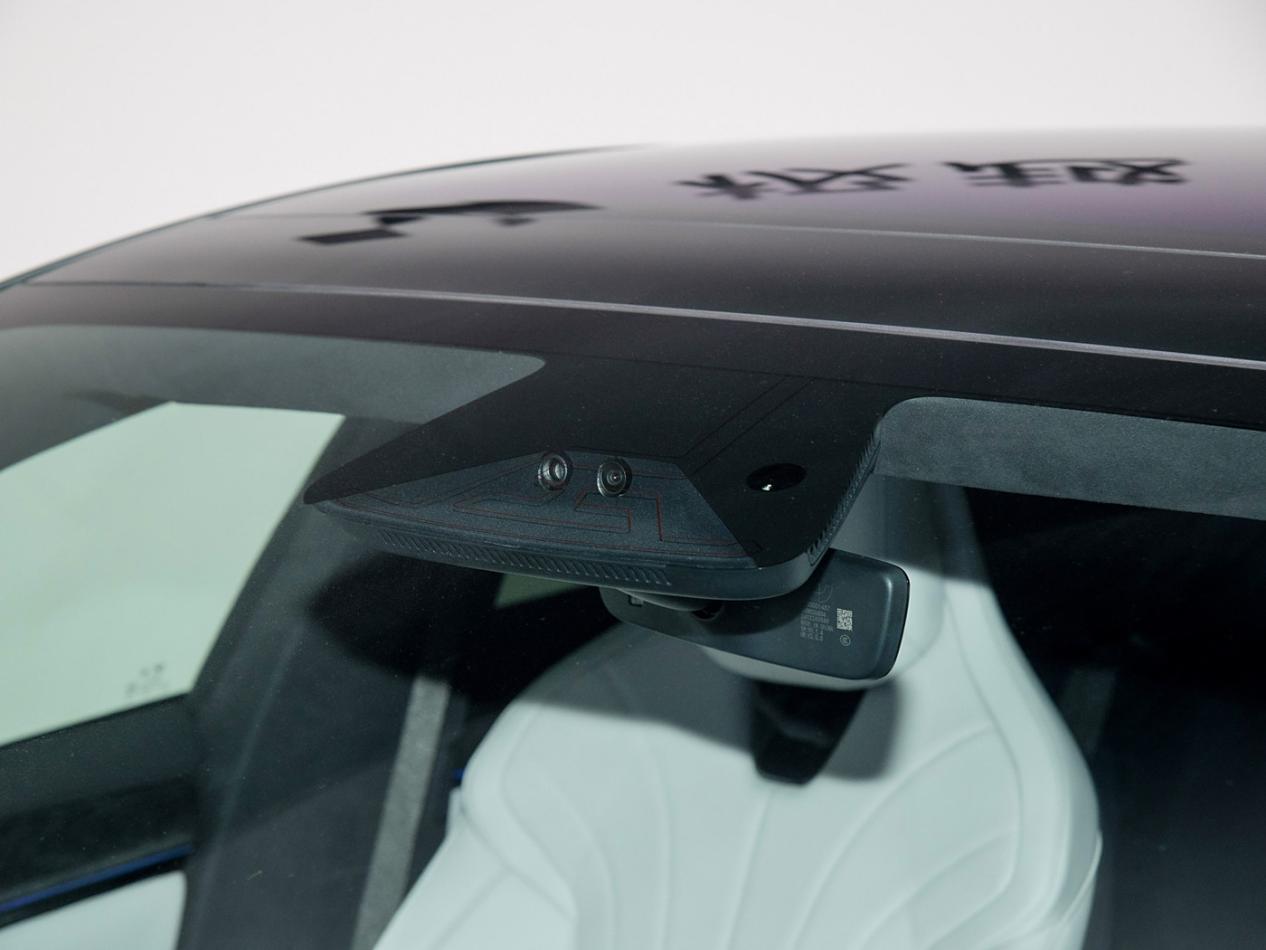 Extreme Yue 07 is a new model jointly launched by Geely and Baidu. It is based on the vast architecture of Geely SEA, focusing on intelligent technology, equipped with a brand-new end-to-end perception model, and optionally equipped with the official version of advanced intelligent driving 2.0. This is a pure visual intelligent driving scheme, and Baidu has polished a lot of time on this intelligent driving scheme.
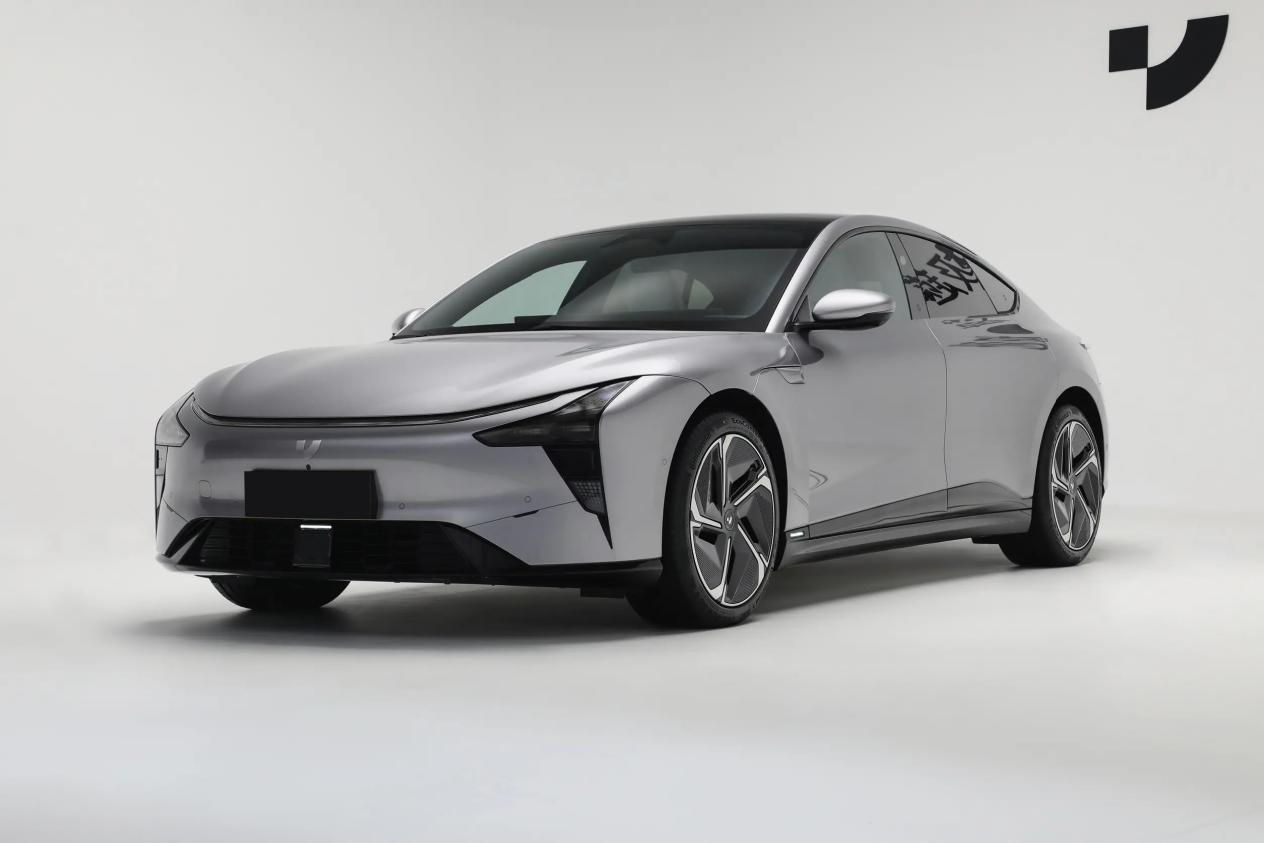 Adhering to the design concept of Less is more, the shape of the new car is really good. The front of the car is a closed grille with a penetrating LED daytime running light strip, and the light groups on both sides are designed in an inverted T shape. The upper and lower parts are designed with intelligent interactive light groups, while the middle is a horizontally arranged LED light source with lenses. The trapezoidal air intake is below the front of the car. The whole front face is simple but not simple, and it has a good sense of movement with the clamshell cover.
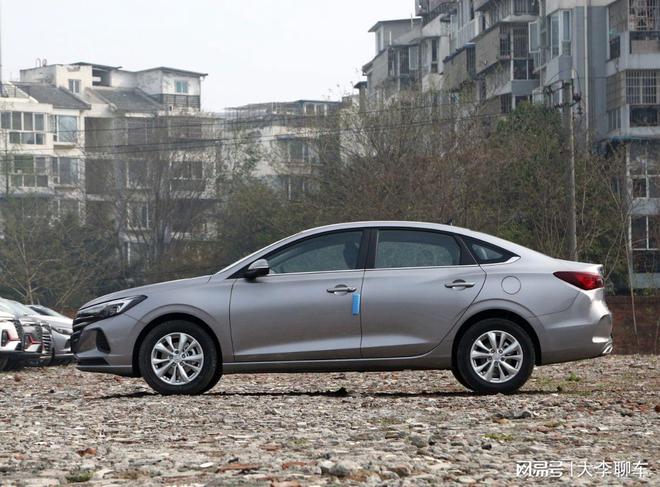
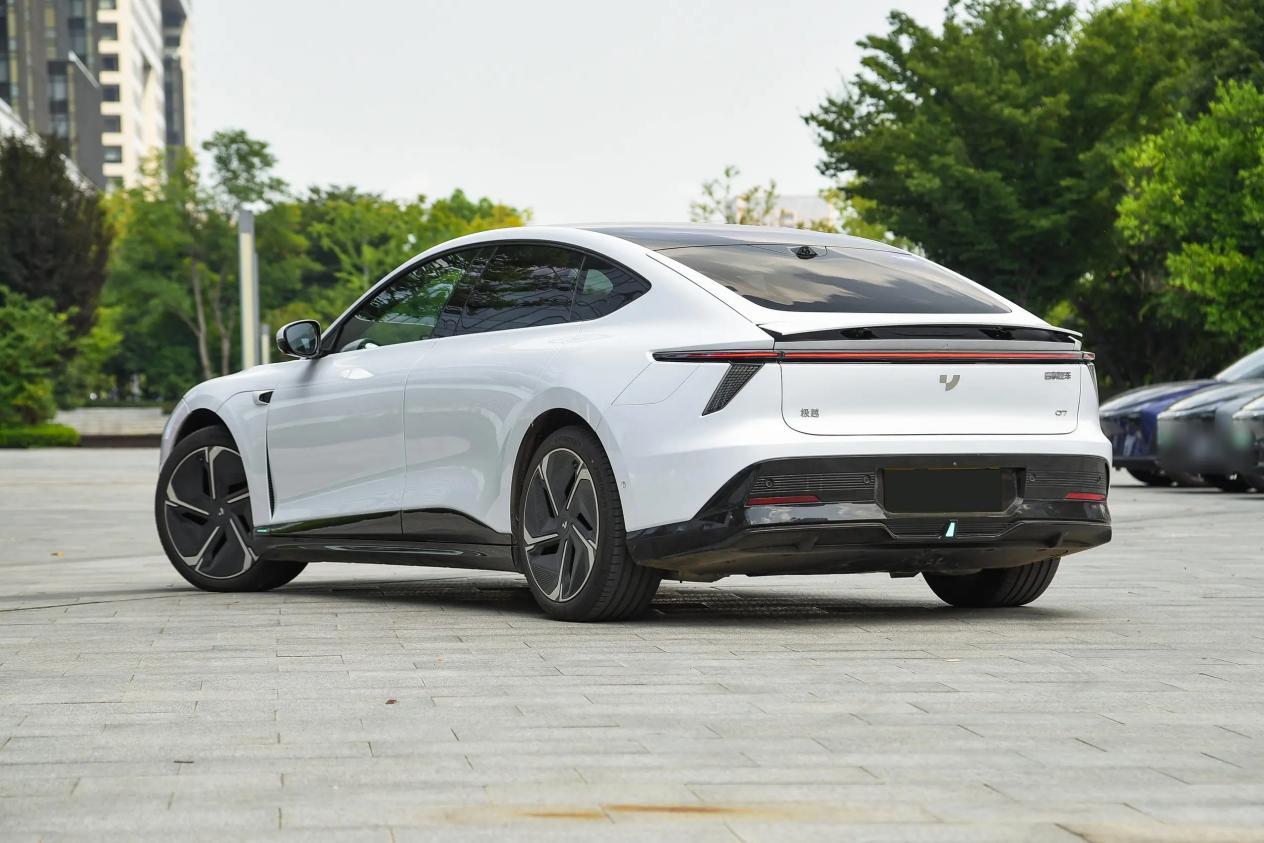 The side of the car body is designed with a sliding back coupe style, and the roof line is smooth, with no door handle (pressing the button to open the electric door), hidden water tangent and hidden B-pillar, no obvious waist line, and the door cambered transition, which brings a low drag coefficient of 0.198Cd. The rear part is designed with a hatchback tailgate and a super-running wide-body rear shoulder, with a through taillight group, and the two sides are made into a split style, which is very recognizable.
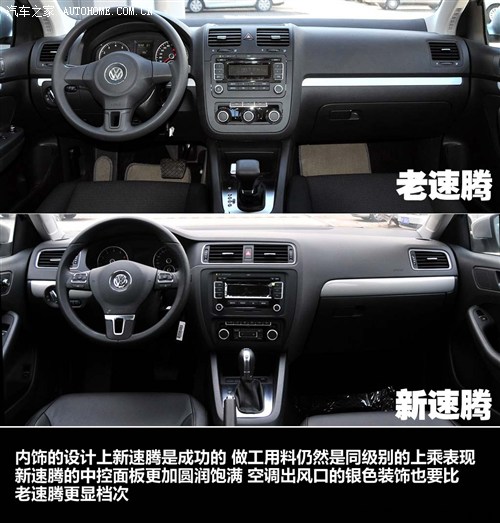
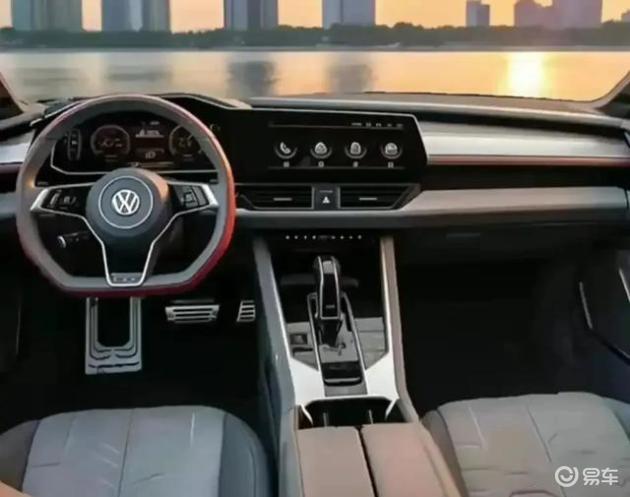
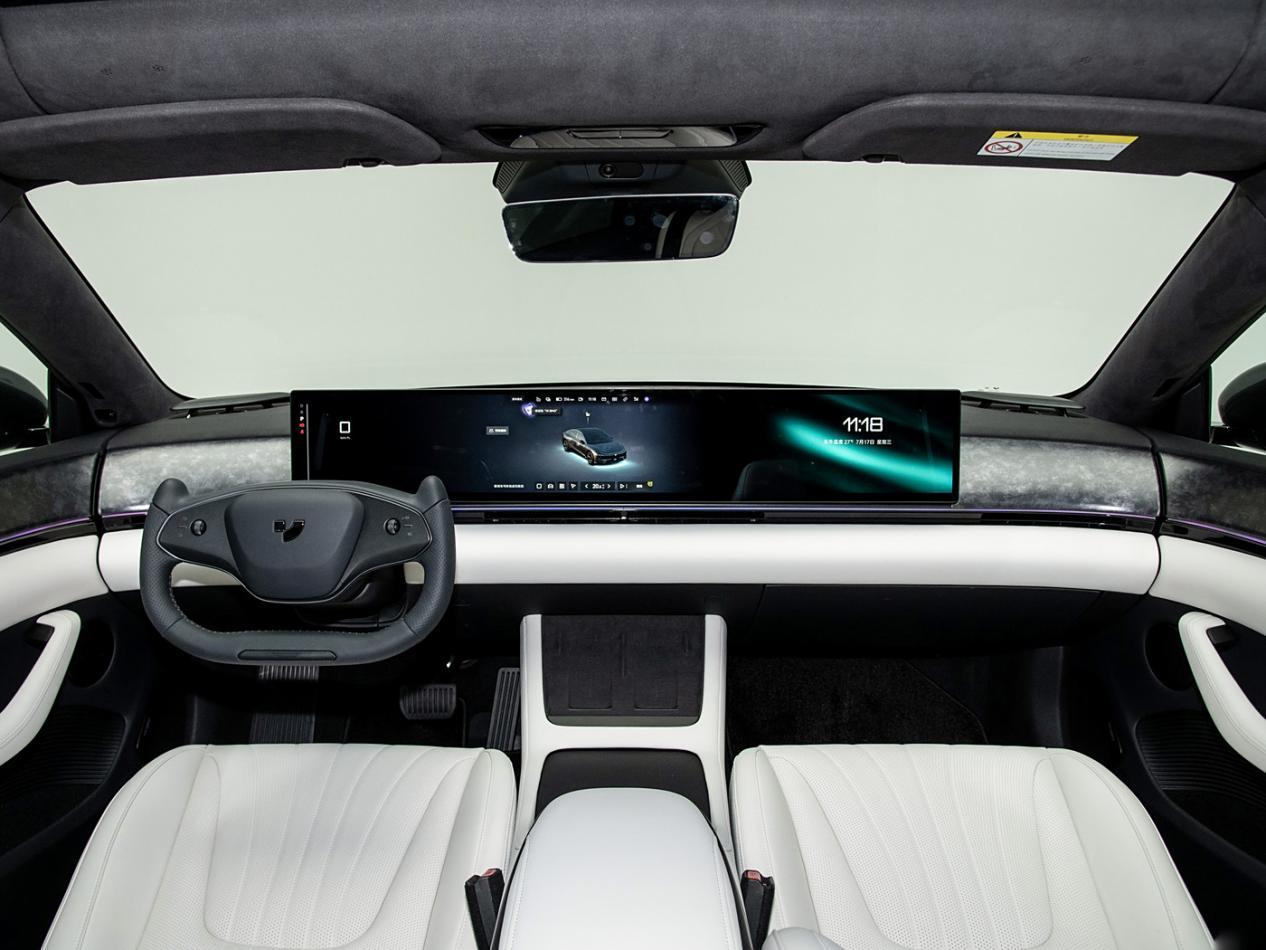 The interior is made in a minimalist style. The center console is equipped with a 35.6-inch penetrating screen, with a D-shaped dual-spoke, and a U-shaped semi-spoke is optional for a limited time. All the buttons and knobs in the car are simplified, and only two rollers and four button indicators are reserved on the steering wheel, which are used to control the left and right turn signals, wipers and lighting functions respectively. Just like Tesla, the gears are integrated in the screen, and the sliding shift mode is adopted.
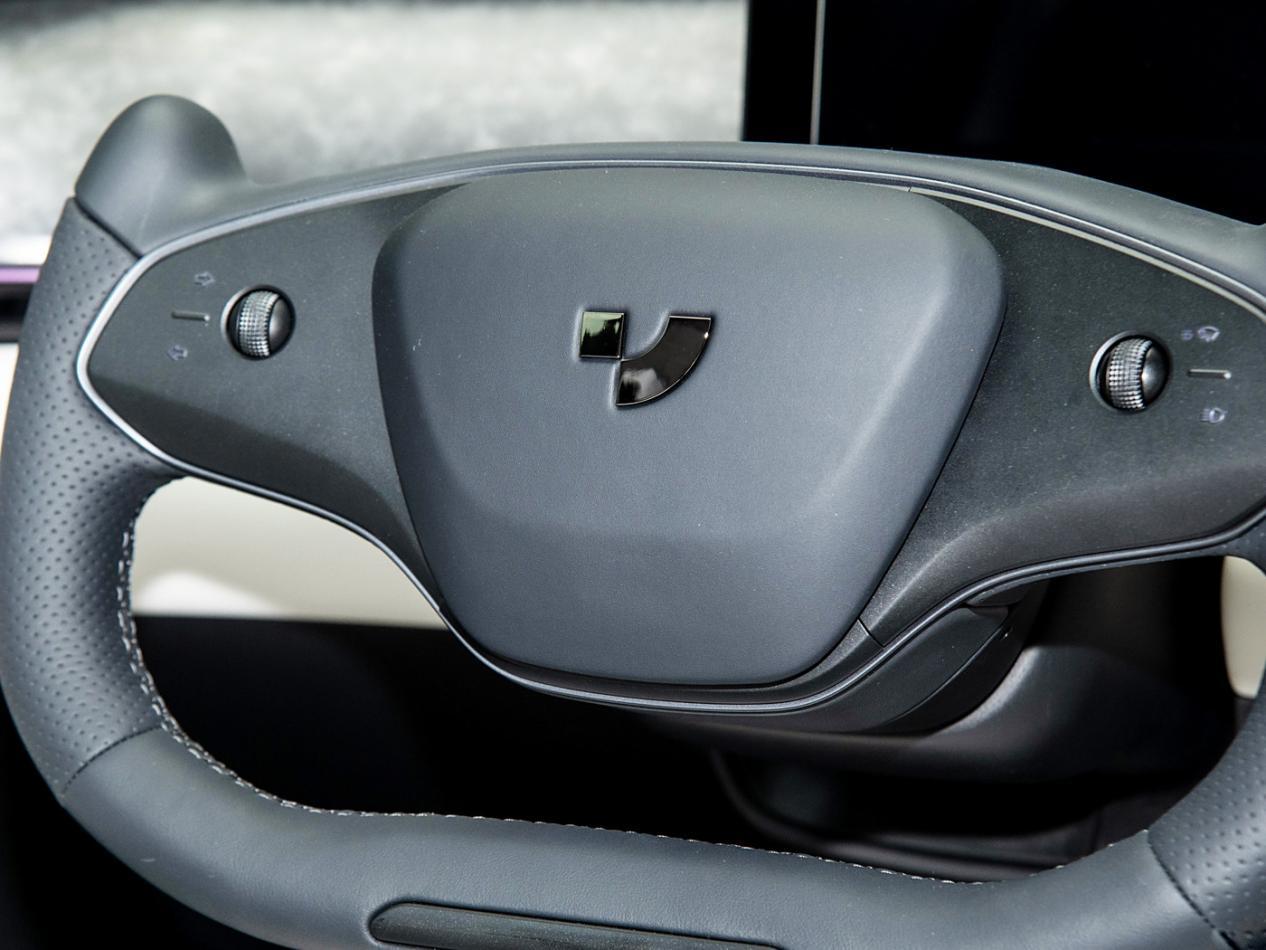 At present, this design is a trend, but whether it is good or not, for drivers who are used to dialing the lever to light, it will be unaccustomed to suddenly changing to the button type, especially when the steering angle of the steering wheel is larger in the turning state, so it is difficult to distinguish the left and right control of the light. If it is changed to a semi-spoke steering wheel, it will not be difficult to use it without turning back, but this kind of steering wheel also needs to be adapted, especially when the vehicle is moving at low speed or turning around.
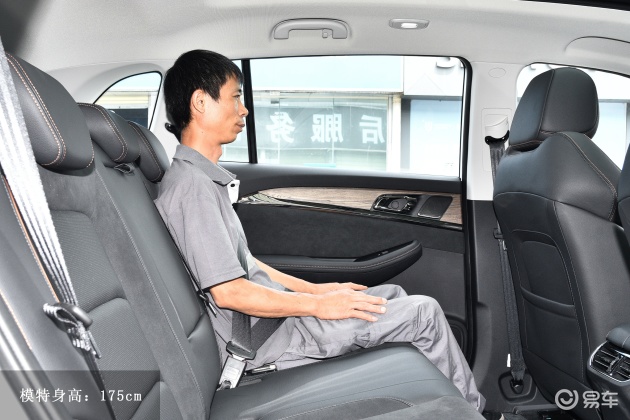
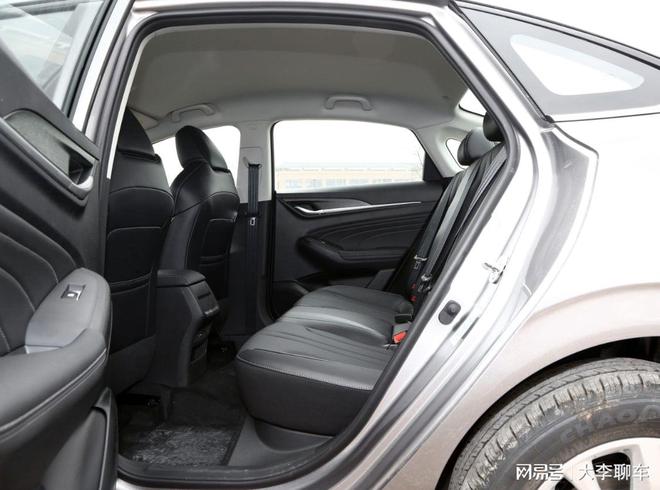
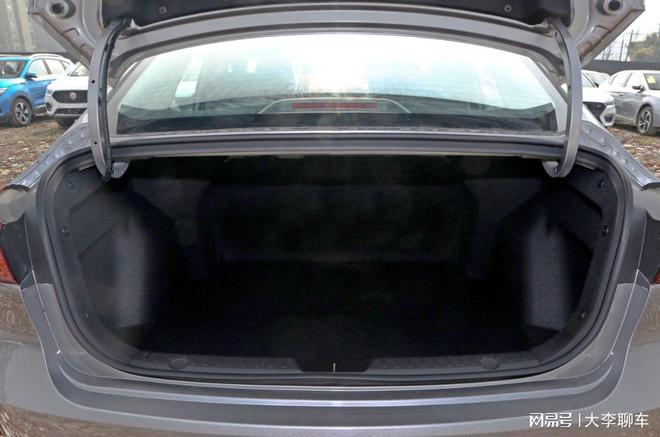
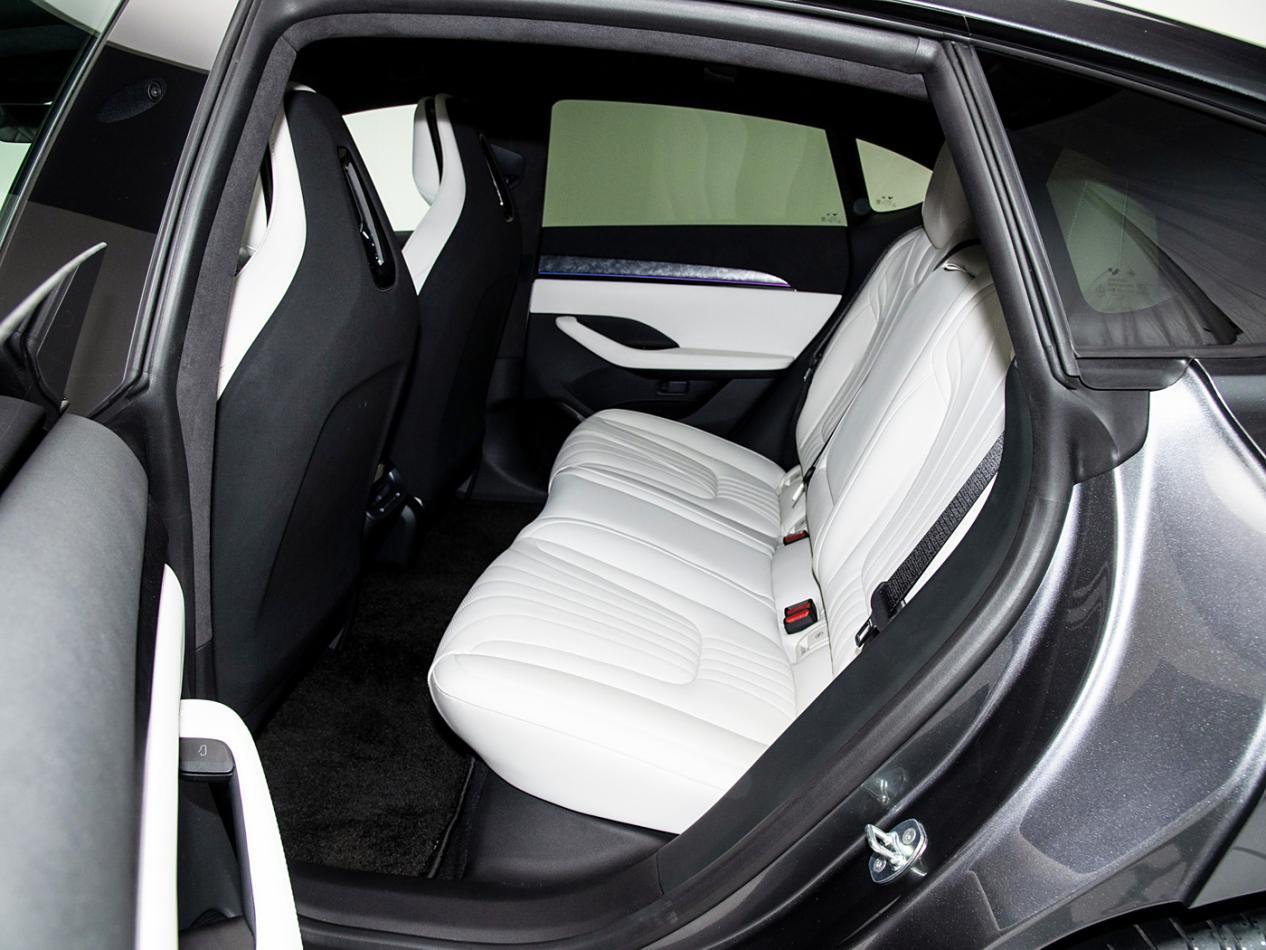 The length of the car is 4,953 mm, the width is 1,989 mm, the height is 1,480 mm, and the wheelbase of the new car is 3,013 mm. Although it is a coupe body posture, there is no problem in the interior space. Passengers with a height of 175 cm have more than one punch in the front and rear rows, and more than two punches in the leg space when sitting in the second row.
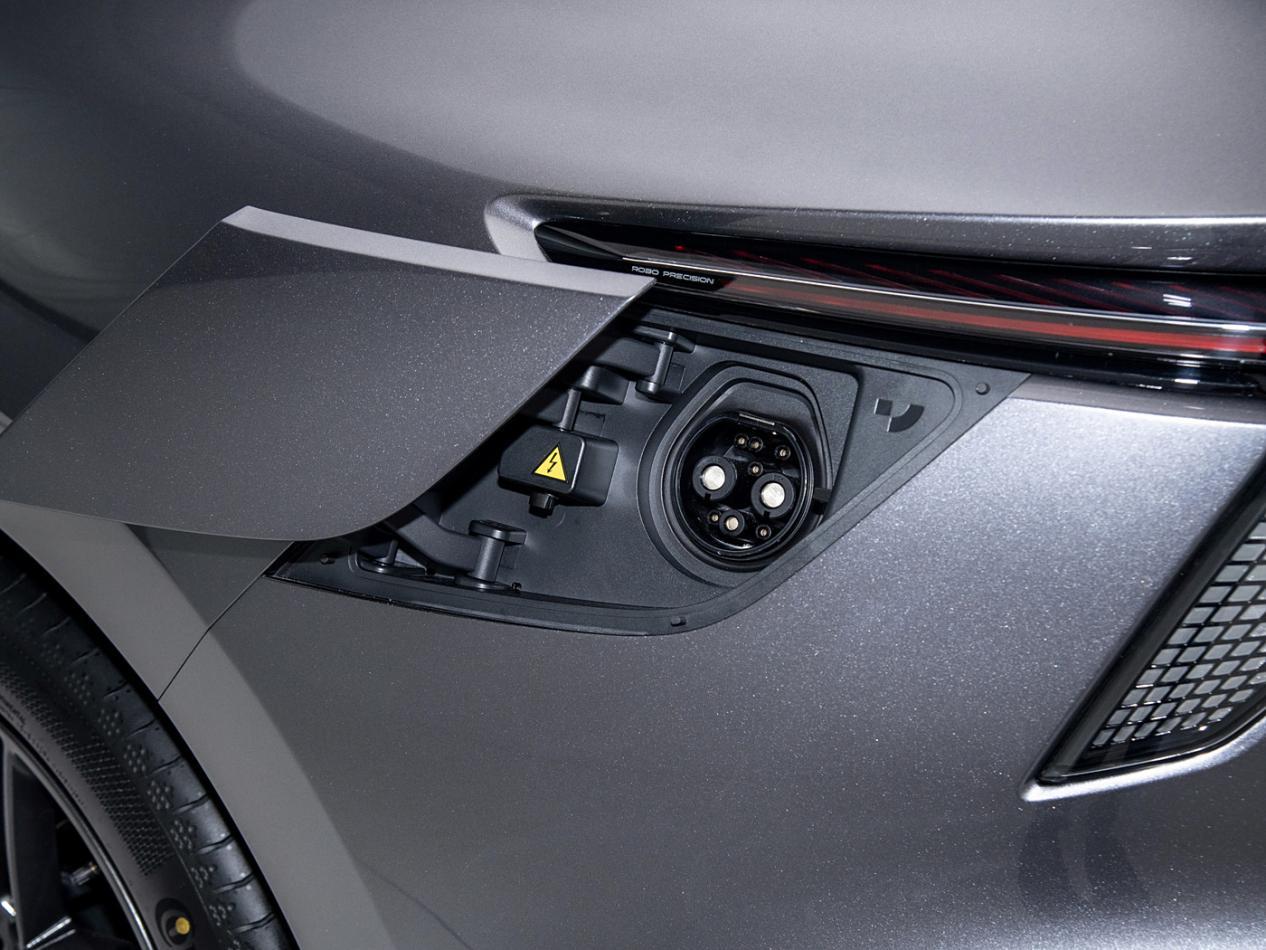 In terms of power, the new car has two single-motor models and one dual-motor model. The maximum power of a single motor is 200 kW, and the zero-hundred acceleration is 6.9 seconds and 6.5 seconds respectively, so the power is sufficient. The version uses the first 230 and the last 300 kW motors, and the fastest zero-hundred acceleration is 3.5 seconds. It is equipped with 71.4/100/93.4 kWh battery packs, and the corresponding cruising range is 660/880/770 respectively. Support fast charging, but all models do not provide slow charging port, which is a bit inappropriate and supports external discharge.