China New Energy Vehicles Explore Differentiated "Going to Sea" Path

Transfer from: Economic Information Daily

 editorial comment/note

  middleIn this magnificent round of "going out to sea", major car companies have chosen different "going out to sea" paths, and all links from products, technology to value chain have begun to build brand advantages of the whole overseas industrial chain. This diversified and differentiated "going out to sea" path, which is different from the single "going out" in the past, shows the overall rise of new energy vehicles in China.

  China’s new energy vehicles with first-Mover advantage and technology accumulation are welcomed, not only because these products and technologies meet the local market demand, but more importantly, they promote the local popularization and industrial development of new energy vehicles and promote the global green and low-carbon transformation.

  China car companies "get together" in the Thai market

  Reporter Wang Teng reports from Bangkok.

  On the streets of Thailand in 2023, the returning tourists from China and the new energy vehicles from China, which make headlines frequently, are the most topical China elements. Whether it’s Euler’s good cat in the Grand Palace with the same frame, or Haval, the Great Wall at the APEC venue, or it’s queued up overnight to buy it.ATTO3 has given Thai consumers who once "closed their eyes and bought Toyota" in the era of fuel vehicles new choices and expectations.

  China car companies flood into Thailand market.

  "China automakers have shown great interest in Thailand and are’ running’ into the new energy vehicle market in Thailand." Kaivalin, deputy general manager of Thailand Kaitai Research Center, said that the market share of Chinese pure electric vehicles is expected to increase from 78% in 2022 to 85% in 2023.

  In recent years, in addition to SAIC MG, which has been deeply involved in the Thai automobile market for 10 years,China car companies such as BYD and Nezha also went to Thailand to explore the market. According to the Thai Investment Promotion Committee (BOI),It will invest 9.8 billion baht (about 2 billion yuan) to build a new energy automobile factory in Thailand, becoming the next player for China automobile enterprises to invest in Thailand.
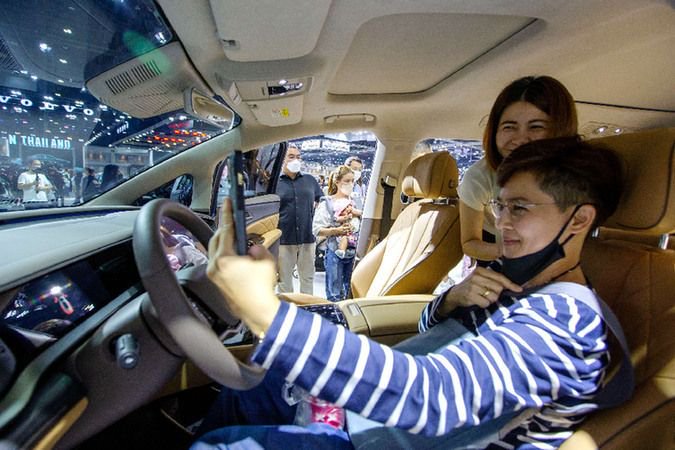
The audience experienced Tengshi D9 car at Bangkok International Auto Show, Thailand. Xinhua News Agency reporter Wang Teng photo

  Behind the acceleration of China’s new energy vehicle enterprises into Thailand, it mainly comes from three important factors: local electric vehicle support policies, industrial factors, historical accumulation and geographical layout.

  According to the development goal of electric vehicles set by Thailand, electric vehicles will account for 30% of its total automobile production by 2030. To this end, the Thai government has implemented an electric vehicle subsidy plan and preferential tax measures. At present, Thailand has reduced the consumption tax rate of pure electric vehicles from 8% to 2%, and provided subsidies ranging from 70,000 to 150,000 baht according to the types and models of electric vehicles. At the same time, the Thai government has also reduced the road tax and import tariff on electric vehicles to speed up the promotion and popularization of electric vehicles.

  Since 1990s, Thailand has established the development model of export-oriented automobile industry. According to Zhang zhen, head of Great Wall Motor’s ASEAN regional brand, after years of development, Thailand has become one of the largest automobile markets in Southeast Asia and has a relatively complete automobile industry chain.

  In addition, Thailand is located in the main road of global shipping, and automobile exports can reach various foreign markets through efficient and convenient sea transportation. Zhang zhen said: "The cars produced by Great Wall Thailand factory now serve the whole ASEAN market, and the factory will become the global passenger car manufacturing base of Great Wall in the future. At present, we have tried to export cars to South Africa, Mauritius and other countries."

  According to the data of Thailand Automobile Association, the sales volume of pure electric vehicles in Thailand reached 13,454 in 2022, a year-on-year increase of 588.5%. The Kaitai Research Center predicts that the sales of pure electric vehicles in Thailand will hit the 50,000 mark this year.

  Industrial chain and technology have obvious advantages.

  In the booming electric vehicle market in Thailand, China car companies have chosen different "rooting" paths. According to BYD, BYD chose to jointly develop the local market with Thai car dealer RêVER Automotive to adapt to consumers’ habits and integrate into the local market more quickly. Great Wall Motor, on the other hand, prefers to fight alone and promote the localization of enterprises in a slow and steady way.

  No matter what kind of "start-up" is adopted, China car companies have achieved good results in the Thai market. According to the statistics of Great Wall Motor, within 48 hours of the pre-sale of its Euler Good Cat model in Thailand, the order number exceeded 6,000; BYD introduced the first model ATTO3 in Thailand, and in the first four months of this year, it continued to "dominate" the sales champion of pure electric vehicles in Thailand, with a total of 7,285 vehicles.
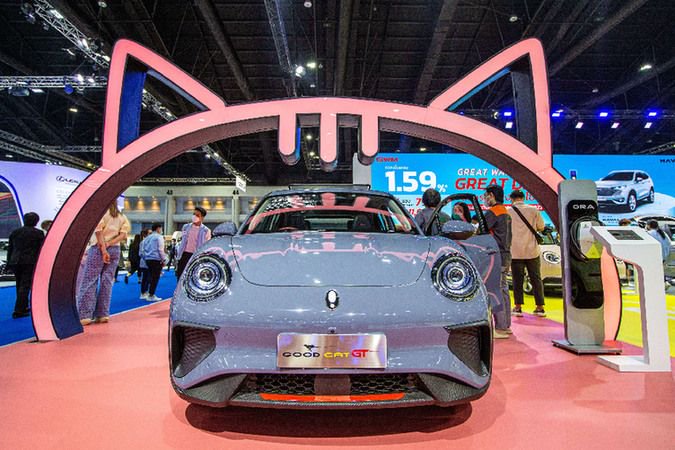
The audience visited the Euler Good Cat GT at the Bangkok International Auto Show in Thailand. Xinhua News Agency reporter Wang Teng photo

  A BYD spokesperson told reporters that China new energy vehicle enterprises have gradually established a technical "moat" after years of accumulation. For example, BYD has mastered the core technologies of the whole industrial chain of batteries, motors and electronic controls, while a series of technologies such as "Easy Sifang" and "Yunqi Intelligent Body Control System" launched one after another are subversive in the industry.

  At the same time, BYD built its first overseas passenger car factory in Thailand in March this year. The factory is scheduled to be put into operation in 2024, with an annual production capacity of 150,000 new energy vehicles, which will help BYD to further release its production capacity on the basis of technological leadership and meet the consumption needs of Thailand and other ASEAN countries.

  In Zhang zhen’s view, "new energy and intelligence" are the two advantages and labels of China automobile enterprises. "We not only have updated technology, but also provide a better application experience for Thai consumers." Zhang zhen said.

  Great Wall Motor officially entered the Thai market in 2021. Before that, there were only a handful of new energy vehicles in the passenger car market in Thailand. "China car companies focus on new energy products in Thailand, which not only makes Thai consumers feel more economical, but also provides consumers with a more comfortable and intelligent driving environment." Zhang zhen said that before, many traditional fuel vehicles on the Thai market were not even equipped with vehicle networking, and intelligence was precisely the advantage of new energy vehicles in China.

  "On our Haval model, you don’t even need to say turn on the air conditioner. Just complain that it is too hot, and the car will ask you’ Do you need to turn down the air conditioner?’ Zhang zhen said that not only in the aspect of speech semantic recognition, the "transparent service" launched by Great Wall Motor this year has also been favored by many consumers. When users maintain cars, they only need to click on the Great Wall App to see the live picture of the workshop and clearly understand the real-time situation of vehicle maintenance.

  The competitiveness of China’s automobiles is not the same as in the past. Zhang zhen said that in the past, we always said that we would strive for overtaking in corners. Now, after years of development, China car companies have reached the turning point of real qualitative change, and this trend will become more and more obvious in the future.

  Facing the future challenges, trying to make mistakes and moving forward.

  The sales achievements of China’s new energy vehicles in Thailand are gratifying, but it is also a necessary storm for China car companies to "go out to sea" for the current and future challenges.

  In Zhang zhen’s view, compared with car companies in Europe, America, Japan and South Korea, the globalization of new energy car companies in China is still in the learning stage. "How to integrate our products and brand concepts with local culture, and how to localize our talents, culture and supply chain is an important challenge for all China car companies that’ go out to sea’. We have no other shortcuts, only to keep trying and making mistakes."

  A BYD spokesperson told reporters that in the passenger car market in Thailand, due to the low penetration rate of new energy vehicles and the weak construction of local power infrastructure, the acceptance of new energy vehicles by Thai consumers needs to be improved.

  By the end of 2022, the number of electric vehicle charging piles in Thailand was only over 900, which were mainly distributed in Bangkok and the economically developed areas in central China. At the same time, the voltage instability in some areas also leads to the limited charging power and prolonged charging time of electric vehicles, which further restricts the car scene of electric vehicle owners.

  However, the biggest challenge for China car companies in Thailand may mainly come from the competition brought by the western and Japanese and Korean car companies making efforts to manufacture electric vehicles and putting them into the Thai market one after another.

  According to the analysis of Kaitai Research Center, as the pure electric vehicle market in Thailand is still in its infancy, the number of market participants will continue to increase, and the market is highly dynamic. Although Chinese pure electric vehicles occupy most of the market share at present, it will not be easy for China car companies to defend their titles when other car companies penetrate the pure electric vehicle market in Thailand in the future.

  Both Tesla, which officially entered the Thai market last year, and Japanese car companies that have mastered the Thai automobile industry chain, dealer channels and upstream and downstream parts suppliers will test the leading edge of China car companies in the pure electric vehicle market in Thailand.

  "In the past two years, our development in Thailand is more like a microcosm of the globalization of China automobile brands." Zhang zhen said that China car companies want to let foreign consumers know China brand, see China technology and experience China intelligence through different new energy positioning and differentiated marketing methods.

  New energy vehicles in China sell well in Central Asia.

  Reporter Zhang Jingpin Cai Guodong Lei Xiaoxiao Comprehensive Report

  China’s new energy automobile industry has developed rapidly in recent years, gradually becoming a new business card made in China and recognized by overseas consumers.

  Not long ago, the relevant person in charge of the Eurasian Department of the Ministry of Commerce said that in the first quarter of 2023, China exported 500 million US dollars of automobiles to Central Asian countries, up 121% year-on-year, especially China’s new energy vehicles, which were favored by Central Asian people.

  Thanks to its superior geographical location and industrial chain development, Xi ‘an, Shaanxi Province, located in the west of China, has rapidly developed into a "rising star" on the new energy vehicle track in China in recent years.

  According to the data, in 2022, the output of new energy vehicles in Xi ‘an reached 1,015,500, up 277.5% year-on-year, accounting for 14.1% of the national share, surpassing 990,000 in Shanghai and becoming the first city in China.

  In order to meet the automobile export demand of Shaanxi local automobile enterprises, China Railway Xi ‘an Bureau Group Co., Ltd. and Xi ‘an Free Trade Port Construction and Operation Co., Ltd.,Xi ‘an Branch cooperated hand in hand, organized the formulation of special transportation scheme, and adopted the form of special train for commercial vehicles and railway transportation for export transportation.

  The reporter learned from Xi ‘an Customs that from January to April 2023, the trade between Shaanxi and Central Asia continued to maintain rapid growth, with the import and export value reaching 1.05 billion yuan, up 78.4% over the same period of last year, of which the export of electric vehicles was 130 million yuan, up 125 times.

  On April 26th, 2023, in Xi ‘an International Port Area, with the sirens blaring, the Xi ‘an-Central Asia special train of Chang ‘an, the 10th anniversary of the "Belt and Road" of China-Europe train, successfully started, carrying more than 260 BYD new energy vehicles made in Xi ‘an to Uzbekistan.

  According to reports, as of May 16th, China Railway Xi ‘an Bureau Group Co., Ltd. has run 33 special trains for automobile export this year, with an average of 6 trains per month, which has achieved normal transportation, and consumers in Central Asia can buy new energy vehicles in China more quickly and conveniently.

  Nowadays, walking on the streets of Tashkent, the capital of Uzbekistan, you can often see new energy buses and new energy vehicles made in China. Zafar Khalilov, a citizen of Tashkent, said that the new energy bus in China is of high quality, safe to drive and equipped with air conditioning and facilities for the disabled. "I prefer electric cars, no smell, more stable, faster and more comfortable."

  According to the data of Uzbekistan’s National Statistical Committee, in the first quarter of this year, Uzbekistan imported 1,668 electric vehicles, an increase of 268% compared with the same period of last year, of which 1,444 electric vehicles were imported from China, accounting for 86.6% of the total imports.

  Professor Tursunali Kuzyev of Uzbekistan University of Journalism and Mass Communication said that Uzbekistan is the most populous country in Central Asia. Strengthening cooperation with China’s new energy vehicle enterprises will help popularize and promote new energy vehicles, promote green and low-carbon transformation, and further promote the development of the new energy vehicle market in Central Asia.

  Automobile industry is becoming an important field of cooperation between China and Central Asian countries. Not long ago, Yutong International, a subsidiary of Yutong Group, signed an agreement with Kasjehenna Company of Kazakhstan on "jointly establishing a Kazakhstan-China training center for technical and engineering personnel in the automobile industry", jointly developing talents in the automobile industry with partners in Kazakhstan, and strengthening cooperation and exchange of experience in developing the automobile industry in Kazakhstan.

  The reporter learned that as early as 2020, 100 Yutong pure electric buses had been exported to Kazakhstan. Up to now, these pure electric buses with a mileage of over 200,000 kilometers have successfully completed the 320-kilometer extreme endurance challenge in the extremely cold environment of -27℃ in Kazakhstan.

  The overseas person in charge said that Yutong’s development in Kazakhstan has achieved good social benefits thanks to the broad platform provided by the "Belt and Road Initiative". In the future, Yutong will continue to deepen the Kazakhstan market and make new contributions to building a green "Belt and Road".

  Diversified ways of "going out to sea" for new energy vehicle enterprises

  Reporter Lei Xiaoxiao reports from Xi ‘an

  Since 2023, China’s new energy vehicle exports have performed brilliantly. According to data released by the General Administration of Customs of China recently, from January to April this year, the total export value of China was 7.67 trillion yuan, an increase of 10.6% over the same period last year. Among them, in the growth of automobile exports, the export of new energy vehicles has accounted for 31% of passenger car exports. Driven by the strength of new energy vehicles, in the first quarter of this year, China surpassed Japan to become the world’s largest automobile exporter.

  While handing over eye-catching transcripts, new energy car companies are also accelerating their "going out to sea".

  According to the relevant person in charge of BYD in Xi ‘an, in May 2021, BYD officially announced the plan of "Passenger Cars Going to Sea", taking Norway as the first pilot market to develop overseas passenger car business. After less than two years of development, BYD’s new energy passenger cars have entered the markets of Japan, Britain, Germany, Australia, Brazil and other countries, with footprints in 43 countries and regions around the world, and the cumulative export of new energy passenger cars has exceeded 60,000.

  The acceleration of overseas expansion has further improved the performance of enterprises. In 2022, BYD achieved revenue of 434.06 billion yuan, a year-on-year increase of 96.2%. "From the first car to the 1 millionth car, we spent 13 years; From 1 million to 2 million vehicles, it only took us one year; From 2 million to 3 million, we only spent half a year. " The person in charge said.

  With the acceleration of global distribution of China automobile enterprises, the way of "going out to sea" is becoming diversified, and all links from products, technology to value chain have certain brand competitiveness. With the technical "moat" established for many years, China automobile enterprises and their related enterprises have begun to build the whole overseas industrial chain.

  With the acceleration of the export of new energy vehicles, since 2022,Power battery companies such as Yiwei Lithium Energy have also laid out new overseas projects, mostly in Europe and America, where the electric vehicle market is huge.

  The bright performance of new energy vehicles overseas has also attracted great attention from overseas markets. German Mercator China Research Center (MERICS) previously released a report saying that in the field of new energy vehicles, the EU is rapidly becoming a net consumer made in China, which may subvert the automobile trade pattern between China and Europe.

  Experts suggest that new energy vehicle companies can actively expand overseas investment and set up factories in Europe and America, which will directly boost local economic growth, solve local employment and build closer economic and trade relations.
Good news! The finless porpoise, which was injured and rescued a month ago, is now in Yichang section!

Jimu journalist Chen Lingmo

Correspondent Yang Zhiji

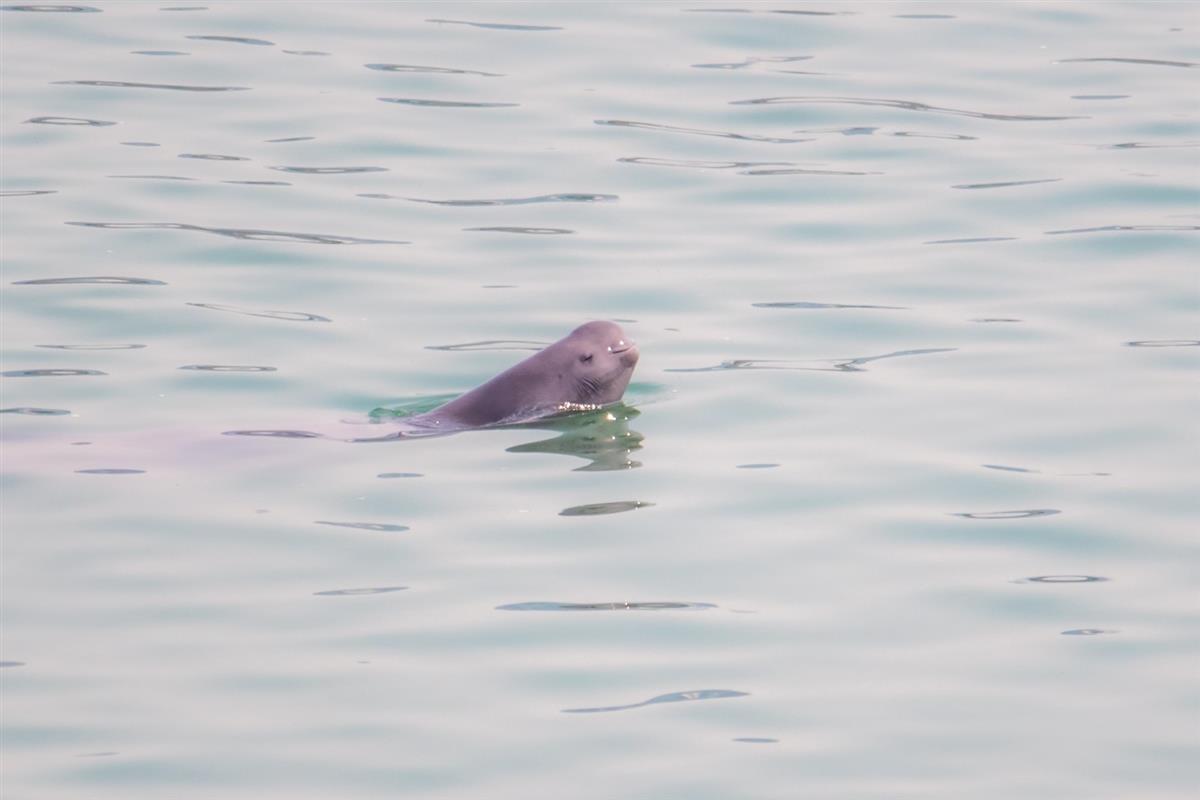
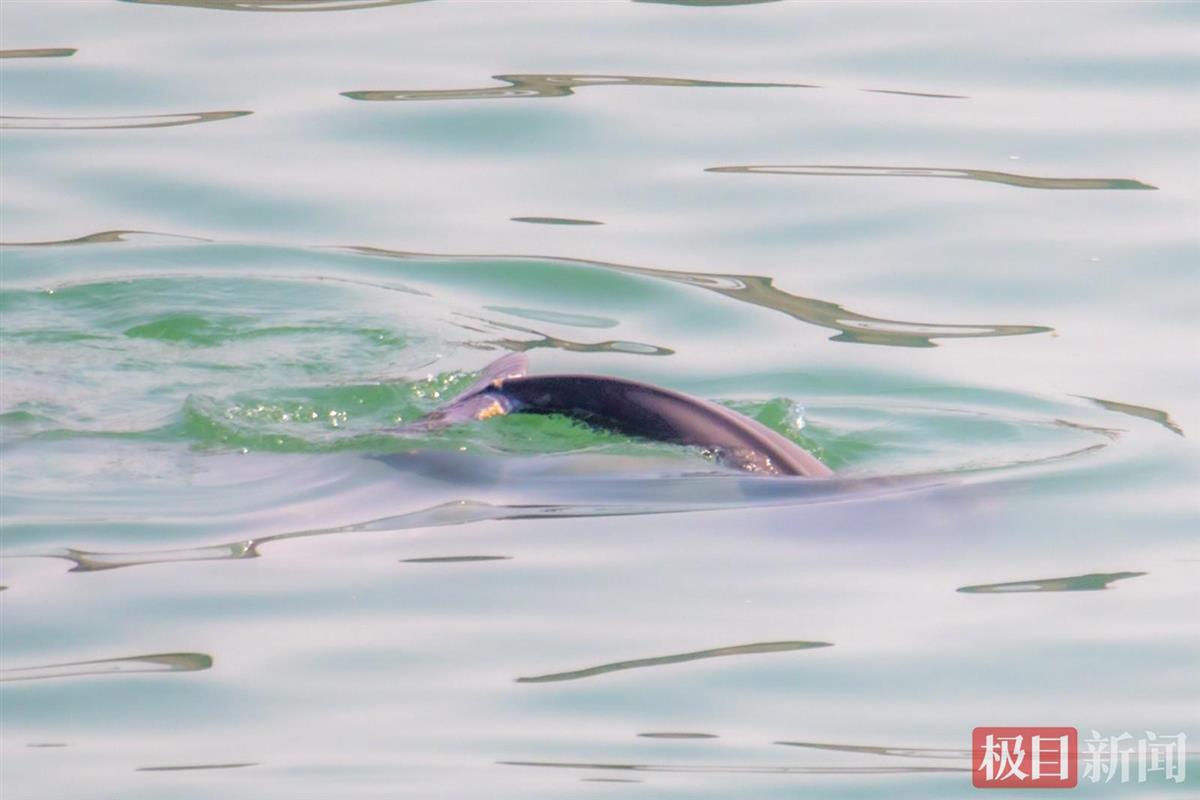
On the afternoon of March 11th, a finless porpoise with a tail injury was photographed by photographers 100 meters downstream of Gezhouba in Yichang section of the Yangtze River. Judging by experts, this finless porpoise is probably the one whose tail was entangled in the rope in the river a month ago and was successfully rescued by fishery administration and other departments.

The injured finless porpoise photographed by Yanghe on March 11th.

Yesterday, Yang He, a local photographer who photographed the finless porpoise, provided the journalist with his photos of the finless porpoise. The photo shows that there are obvious ligature marks on the tail of the finless porpoise, which is consistent with the injured part of the finless porpoise that was rescued by joint efforts on February 9.

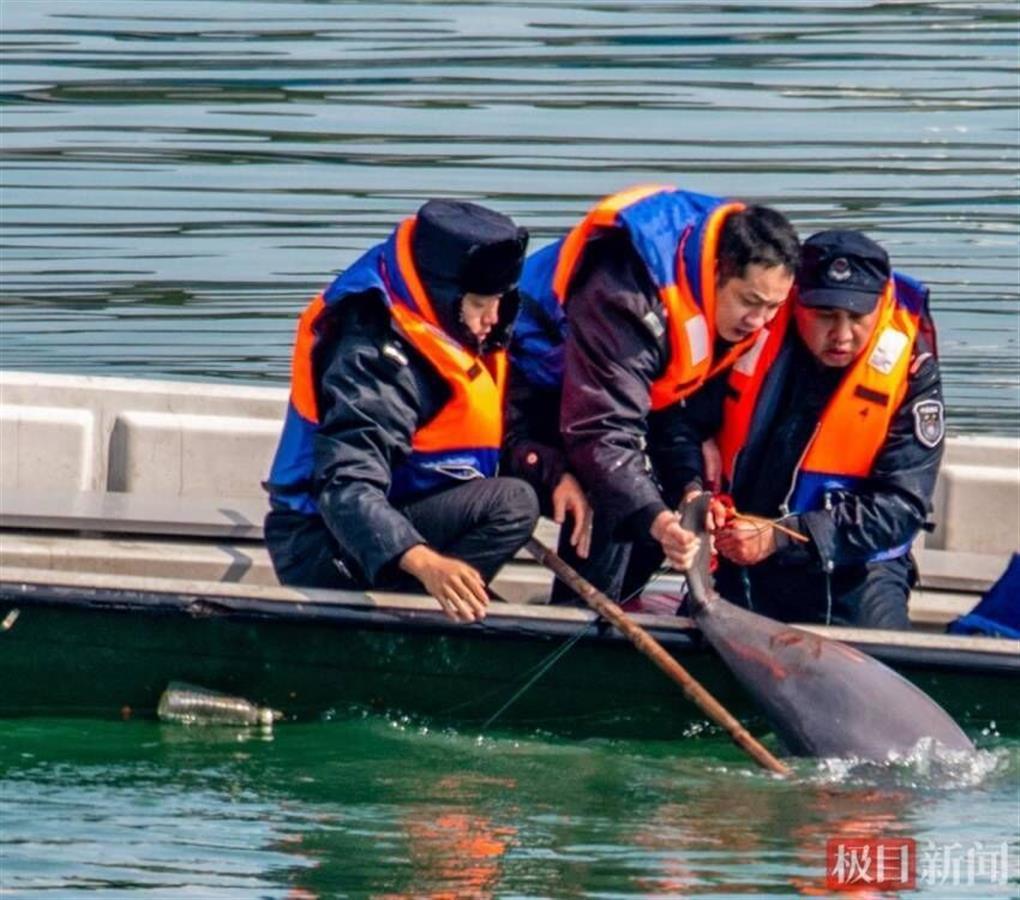
"Although the injury has not healed, the finless porpoise looks in a good mood." Yang He, who spends almost every day filming the finless porpoise by the river, is very happy to photograph this injured finless porpoise again. A month ago, it was precisely because of his timely discovery and report that fishery administration and maritime affairs departments joined forces to rescue the finless porpoise, which saved the day. This thrilling life-and-death rescue of the finless porpoise was first reported by the eye-catching news (click for details), which aroused widespread concern in society.

On February 9, the fishery administration department rescued the finless porpoise scene.

"From the perspective of the wound, it is still very optimistic, and the recovery is good. There is still infection on the wound epidermis, which is mainly recovered by the finless porpoise’s own immunity. " Dr. Hao Yujiang, an associate researcher at the Institute of Hydrobiology, Chinese Academy of Sciences, said that Yang He was also a voluntary observer of the scientific research team. He communicated with Yang He for the first time and learned that this finless porpoise was active, jumped out of the river many times, and ate fish. In addition, the water quality of the local river was good, which was also very beneficial to the wound healing of the finless porpoise.

The injured finless porpoise photographed by Yanghe on March 11th.

Hao Yujiang said that the rescue of the finless porpoise in Yichang on February 9 was a very successful case, which was discovered in time by photographers and responded quickly by the fishery administration. "With the promotion of the ten-year ban on fishing in the Yangtze River, people have more opportunities to see the finless porpoise, and more and more people have joined the ranks of consciously guarding the finless porpoise. I believe that the situation of the finless porpoise will get better and better."

On March 4th, Yang He, a volunteer who "saved the life of the finless porpoise", had a new identity-"eco-photographer". The Yangtze River Management Office in Yichang, Hubei Province, together with Yichang’s socialized participation in saving the Yangtze finless porpoise and the Chinese sturgeon project team, awarded Comrade Yang He the title of "Excellent Volunteer Observer of the finless porpoise", and Hubei Yangtze River Ecological Protection Foundation awarded him the letter of appointment as an "ecological photographer".

"My personal strength is negligible. I hope that with my own actions, I will appeal to more people to start from the small things around me, protect the finless porpoise, protect the Yangtze River elves and protect our mother river." Yang He said that the identity of an "eco-photographer" is even more a responsibility, and he will continue to stick to the riverside and watch the "smile of the Yangtze River".

165,800 can buy it, Balanced Power Pie

Nowadays, there are many types of cars, and the various models are dazzling. At this time, we should start according to our own reality, and the one that suits us is the best. The richness of a car’s configuration is related to the user’s car experience, so today many people are concerned about its configuration. Let’s take a look.

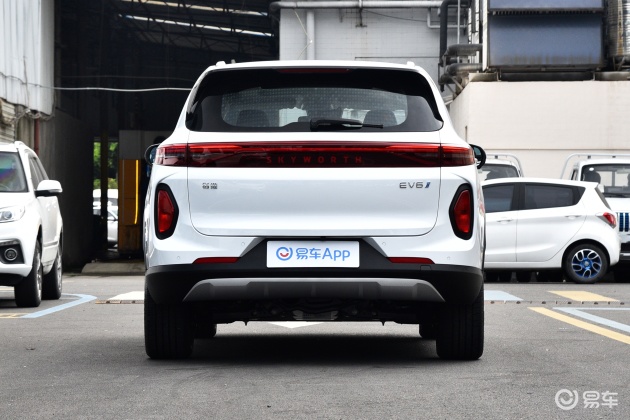
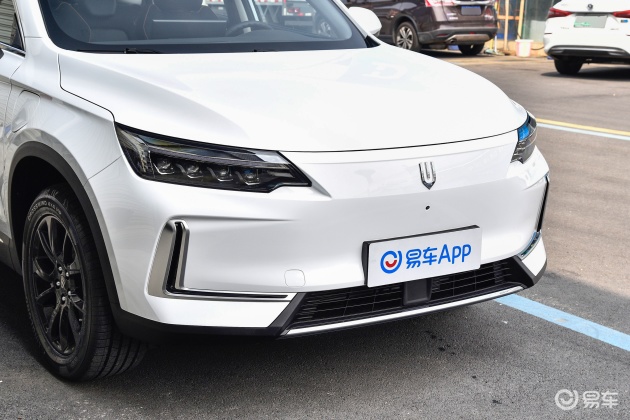
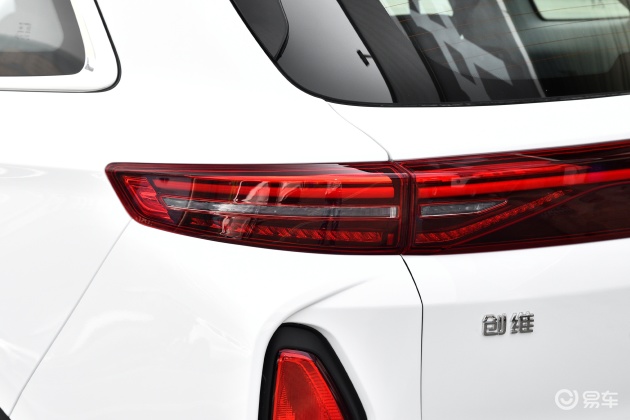
Let’s take a look at the appearance of Skyworth EV6. The front face of Skyworth EV6 looks more dignified and recognizable as a whole. At the same time, the headlights show a streamlined design style, which is very domineering as a whole. The car is equipped with, delayed closing, etc. Come to the side of the car, the body size of the car is 4720MM*1908MM*1696MM, the car adopts a young personality line, the side looks very simple, with large-sized thick-walled tires, the shape is quite simple. In terms of rear design, Skyworth EV6 rear line is domineering, and the taillights look very clean and refreshing, creating a good atmosphere.

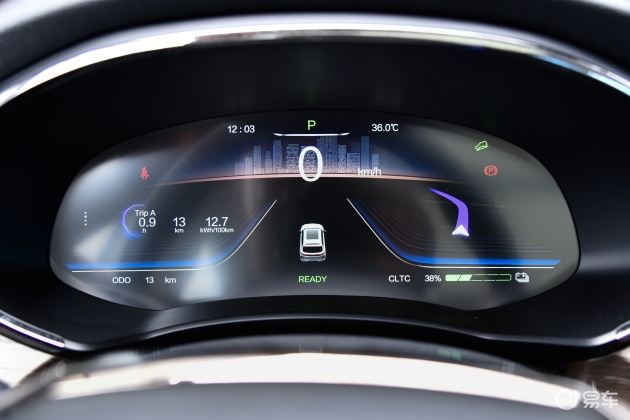
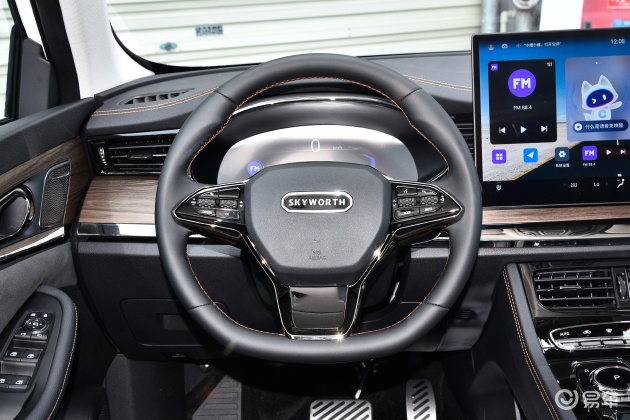
Sitting in the car, the interior of Skyworth EV6 enhances the visual coolness, and the visual effect is very good. The steering wheel of the car is very in line with the interior style, and it is made of plastic material, which gives people a bright feeling. Take a look at the central control, with the 8-inch touch LCD central control screen, the interior style is impressive, and the overall design of the central control is very good. The dashboard and seat are also eye-catching, and the dashboard design is remarkable, which looks more rustic. The car uses leather seats, which are wrapped in place and very comfortable to ride.

The Skyworth EV6 is 150KW, with a total torque of 320N.m and a maximum speed of 150km/h.

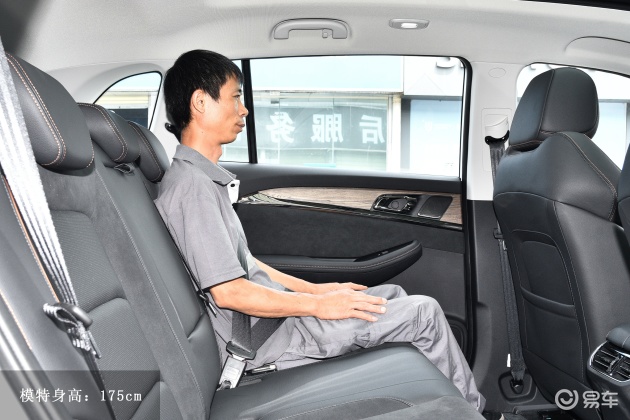
It is a pity that the rear seats cannot be reclined. In addition, the car is equipped with anti-lock braking (ABS), brake assistance (EBA/BAS, etc.), braking force distribution (EBD), traction control (ASR/TCS, etc.), body stability control (ESP/DSC, etc.) main driver airbags, passenger seat airbags and other safety configurations.

The Skyworth EV6 introduced today is not only eye-catching in terms of space, but also has reached the mainstream level in various configurations. The driving experience and space experience are nothing to be picky about. If you are interested, you may wish to experience it in practice.

It’s about your money bag! Understand these changes in July in advance.

  Beijing, June 28th (Leng Yuyang), the client of Zhongxin. com, what changes will be ushered in in the coming July? If we want to sum up a keyword from it, then "money" is bound to be a topic that cannot be avoided. The reporter found out that from July 1 ST, pensions, imported goods, mobile phone fees, etc. will all usher in good news, which is related to your "money bag".

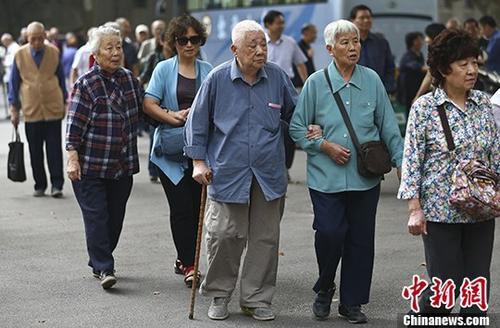
China News Service reporter Li Bo photo

  Pension will be adjusted centrally.

  For a long time, "a sense of security for the elderly" is not only a thousand-year-old virtue inherited by China, but also the expectation of every Chinese. From July, pensions will undergo major changes, and the timely and full payment of pensions in various places will be more secure.

  On June 13th, the State Council issued the Notice on Establishing the Central Adjustment System of the Basic Endowment Insurance Fund for Enterprise Employees, and decided to establish the central adjustment system of the endowment insurance fund, which will be implemented on July 1st, 2018.

  The "Notice" clarifies that on the basis of the current provincial-level overall planning of basic old-age insurance for enterprise employees, a central adjustment fund for old-age insurance will be established to appropriately adjust the old-age insurance funds in various provinces to ensure that basic pensions are paid in full and on time.

  You Jun, deputy director of the Ministry of Human Resources and Social Security, explained that due to the difference in population dependency ratio and other reasons, the problem of fund imbalance between provinces has become more and more prominent. However, it is difficult to solve this problem by provincial overall planning, so it is necessary to improve the overall planning level and make appropriate adjustments to the fund nationwide.

  What netizens are most concerned about is whether this will affect their treatment after retirement. You Jun also hereby reminds: "This fundraising policy will not increase the burden on enterprises and individuals, will not increase the contribution ratio of endowment insurance, and will not affect the treatment of retirees."

  China News Service reporter Zhang Yunshe

  These tariffs will be lowered.

  While the pension is more secure, there is also good news for hands-chopping people.

  According to the announcement issued by the the State Council Customs Tariff Commission on May 22, since July 1, 2018, the tariffs on automobiles with tax rates of 25% and 20% will be reduced to 15%, with tax reductions of 40% and 25% respectively; The tariffs on auto parts with tax rates of 8%, 10%, 15%, 20% and 25% will be reduced to 6%, with an average tax reduction of 46%.

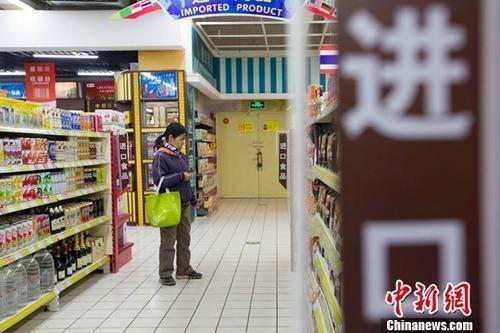
  In addition to cars, the drop in import tariffs on some daily necessities will make everyone happy to "buy in buy buy".

  On May 31, the State Council Customs Tariff Commission announced that the MFN tariff rate of some consumer goods will be reduced from July 1, 2018, involving 1,449 tax items, and the average tariff rate will be reduced from 15.7% to 6.9%, with an average decrease of 55.9%.

  Specifically, the average import tariff rate of clothing, shoes and hats, kitchens and sports and fitness products has dropped from 15.9% to 7.1%; The average import tariff rate of household appliances such as washing machines and refrigerators was reduced from 20.5% to 8%; The average import tariff rate of processed foods such as aquaculture, fishing aquatic products and mineral water decreased from 15.2% to 6.9%; The average import tariff rate of washing products, cosmetics such as skin care and hairdressing, and some medical and health products decreased from 8.4% to 2.9%.

  In this regard, there is a voice saying that lowering tariffs will reduce the import cost to a certain extent, which will generally help reduce the price in the domestic market. This also means that domestic consumers are expected to buy more imported consumer goods with good quality and low price.

  Mobile phone traffic roaming fee will become history.

  From July, when you are on a business trip or traveling in other places, you can also save a mobile phone traffic fee.

  On June 22nd, China Mobile, China Unicom and China Telecom announced that they would cancel the roaming fee for domestic mobile phone traffic from July 1st, and the provincial traffic of mobile phone users would be upgraded to domestic traffic (excluding Hong Kong, Macao and Taiwan traffic).

  So, who will benefit? Mainly users who used to use local packages. After the roaming fee is cancelled, as long as there is traffic in your package, you can use it safely wherever you go in China.

  However, campus packages, community packages, subway traffic packages and airport traffic packages are not within the scope of this adjustment.

 China News Service reporter Yin Liqin photo

  Some high-speed rail fares should be discounted and the extended version of "Fuxing" will start.

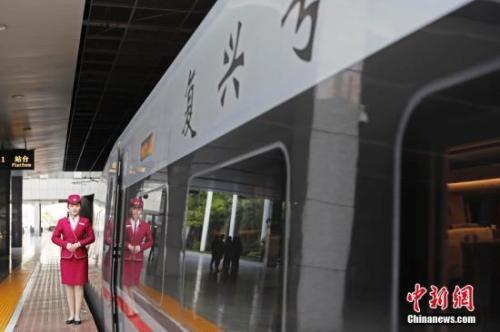
  You can also save money by taking the high-speed rail! After the railway map adjustment on July 1, people will not only have a greater chance to take the extended version of Fuxing, but also some high-speed trains will be discounted by 6.5%!

  From 0: 00 on July 1, 2018, the national railway will implement a new train diagram, and 16 long-formed "Fuxing" EMUs will be put into operation for the first time. The daily number of the national railway "Fuxing" EMU will increase from 114.5 pairs to 170.5 pairs, which can reach 23 municipalities, provincial capital cities and autonomous region capitals.

  In addition, from July 5th, China Railway Corporation will only announce the fares of the high-speed train emus with an operating speed of 200-250km/h on the six sections of lines opened earlier, namely Hefei-Wuhan, Wuhan-Yichang, Guiyang-Guangzhou, Liuzhou-Nanning, Shanghai-Nanjing, and Nanjing-Hangzhou, for optimization and adjustment.

  This time, it is clear that the published fare is the highest price limit. Railway-related enterprises can lower the fare within the price limit by season, time, seats and sections according to the passenger flow, with a maximum discount of 6.5%. Compared with the current situation, the adjusted executive fare has generally increased and decreased.

  There is no need to pay for academic degree certification.

  For job seekers, many people will be asked to certify their academic degrees, and the fees they need to pay will soon become history.

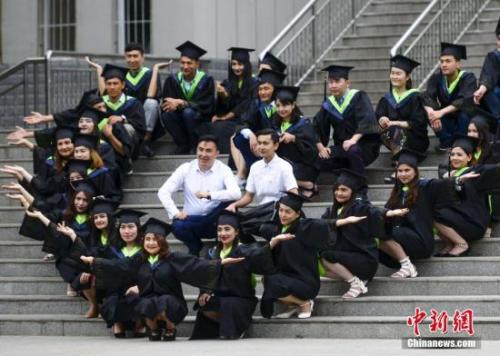
  On June 27, the Ministry of Education and other three departments issued a notice, deciding to completely cancel the fees for domestic higher education degree certification services from July 1 this year.

  After the cancellation of the domestic higher education academic degree certification service fees, the academic degrees that have been registered in the relevant databases of college students’ academic information management system and degree information management system will be subject to online inquiry and electronic certification in principle.

China’s complete historical dynasties, pioneers and years of existence, remember to collect them for your children after reading them.

We all know that China has a history of 5,000 years, but it is estimated that few people know which dynasties, founders and years have existed in these 5,000 years.

Xia Shang, Western Zhou and Eastern Zhou were divided into two halves; Spring and Autumn Period and Warring States Period unified Qin and Han Dynasties; Three-point Wei Shuwu, extended before and after the Jin Dynasty; The Northern and Southern Dynasties stood side by side, and the Sui, Tang and Five Dynasties passed;

After the Song, Yuan, Ming and Qing Dynasties, the dynasty ended.

We should all recite this historical dynasty song, but it is a main framework and not comprehensive. Let’s take a look at the specific content together.

1. Xia Dynasty

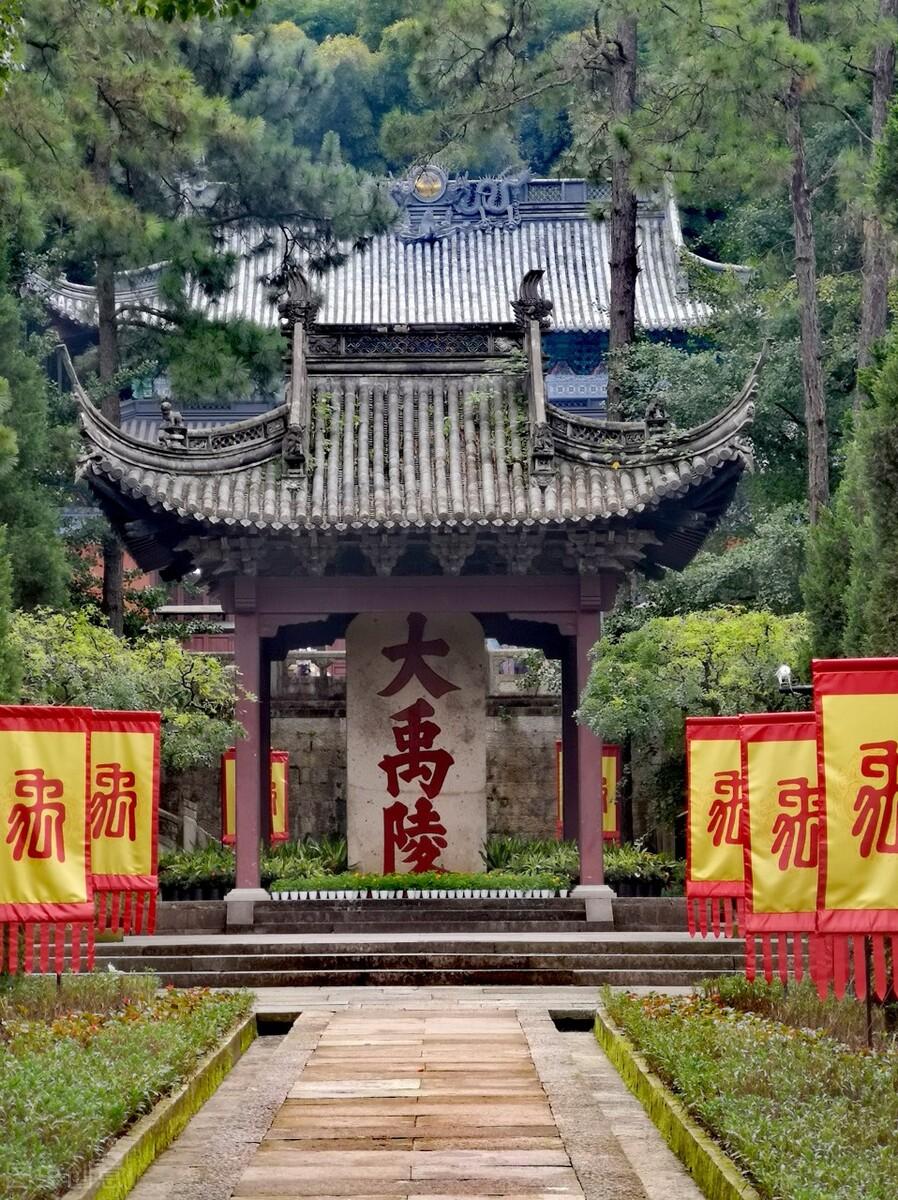
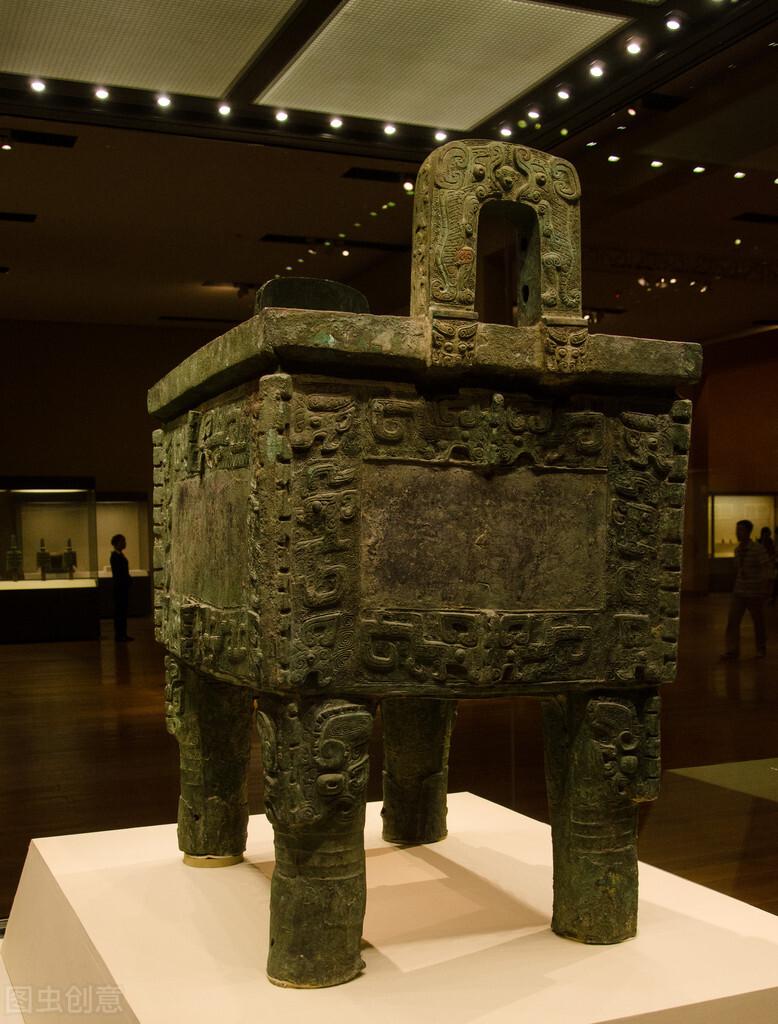
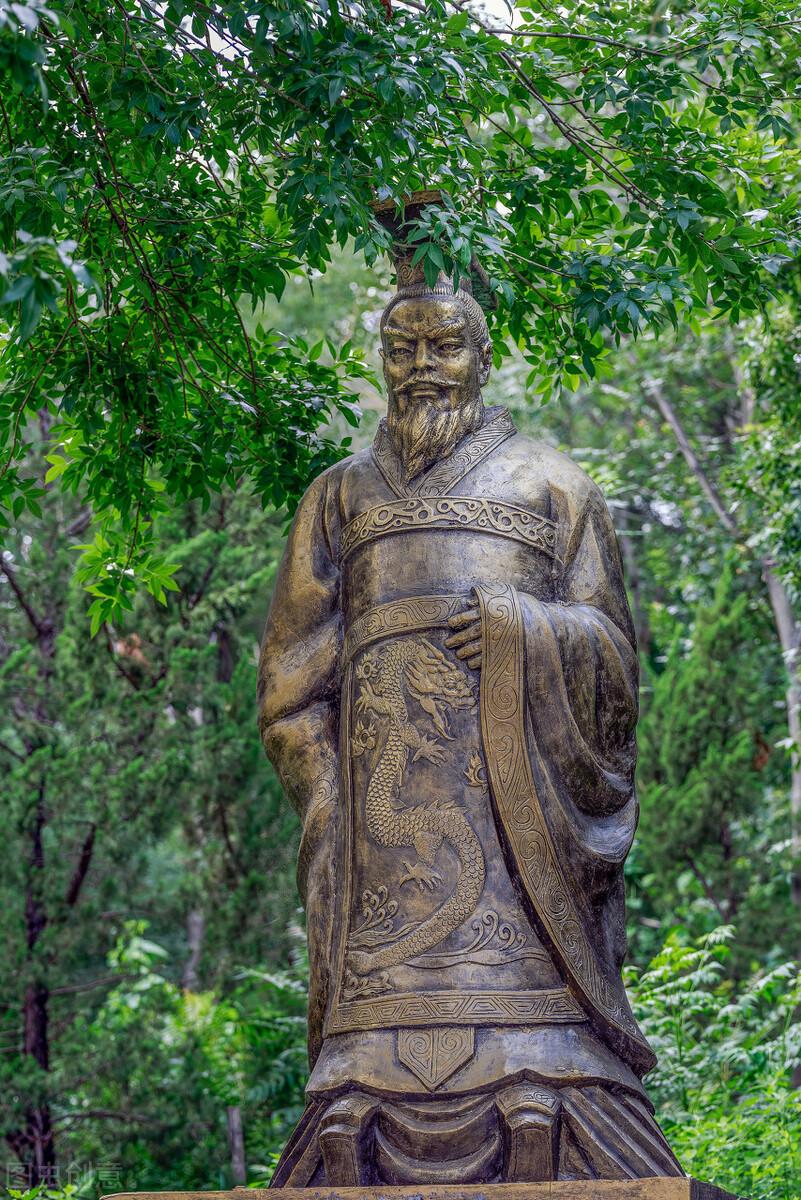
The Xia Dynasty was founded by Yu, formed by his son Xia Qi, survived for 470 years by seventeen emperors, and finally died in Xia Jie.

2. Shang Dynasty

Shang Tang established the Shang Dynasty in about 1600 BC, and died in Shang Zhouwang in about 1046 BC, surviving for 554 years.

3. Western Zhou Dynasty

Zhou Wuwang Ji Fa was founded in about 1046 BC and died in 771 BC, totaling 275 years.

4. Eastern Zhou Dynasty

Ji Yijiu, Zhou Pingwang, was founded in 770 BC and died in 221 BC, surviving for 514 years, including the Spring and Autumn Period and the Warring States Period.

5. Qin Dynasty

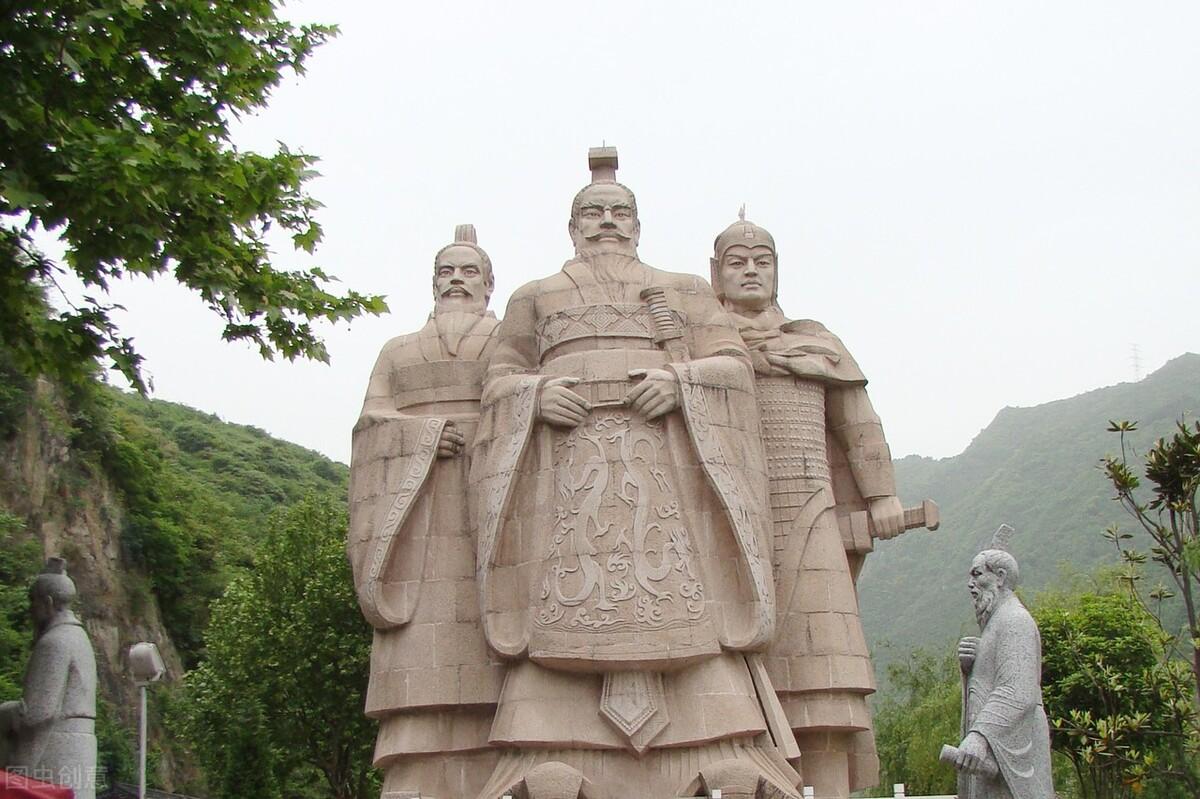
Ying Zheng, the first Qin Emperor, unified the six countries and established the Qin Dynasty in 221 BC. He died in Hu Hai, Qin Ershi in 207 BC and lived for 15 years.

6. Western Chu Dynasty

The overlord Xiang Yu was founded in 207 BC, which nominally unified most of the territory in the late Qin Dynasty and lived together for four years.

7. Western Han Dynasty

Liu Bang, the emperor gaozu of Han Dynasty, defeated Xiang Yu, the overlord of Western Chu, and established the Western Han Dynasty in 202 BC. In 8 AD, he was usurped by his consort Wang Mang and survived for 210 years.

8. Wang Mang’s new dynasty

Wang Mang, the consort of the Western Han Dynasty, was founded in 8 AD and was overthrown by greenwood hero in 23 AD, with a total of 1 emperor and survived for 16 years.

9. Xuan Han

In 23 AD, Liu Xuan proclaimed himself emperor and restored the Han Dynasty, nominally restoring the rule of the Han Dynasty and recovering most of the territory in the late Western Han Dynasty. Xuanhan belonged to make a new start regime and only existed for two years.

10. Eastern Han Dynasty

Liu Xiu, Emperor Guangwu of the Han Dynasty, was founded in 25 AD and died in 220 AD, surviving for 195 years.

11. Three Kingdoms Period

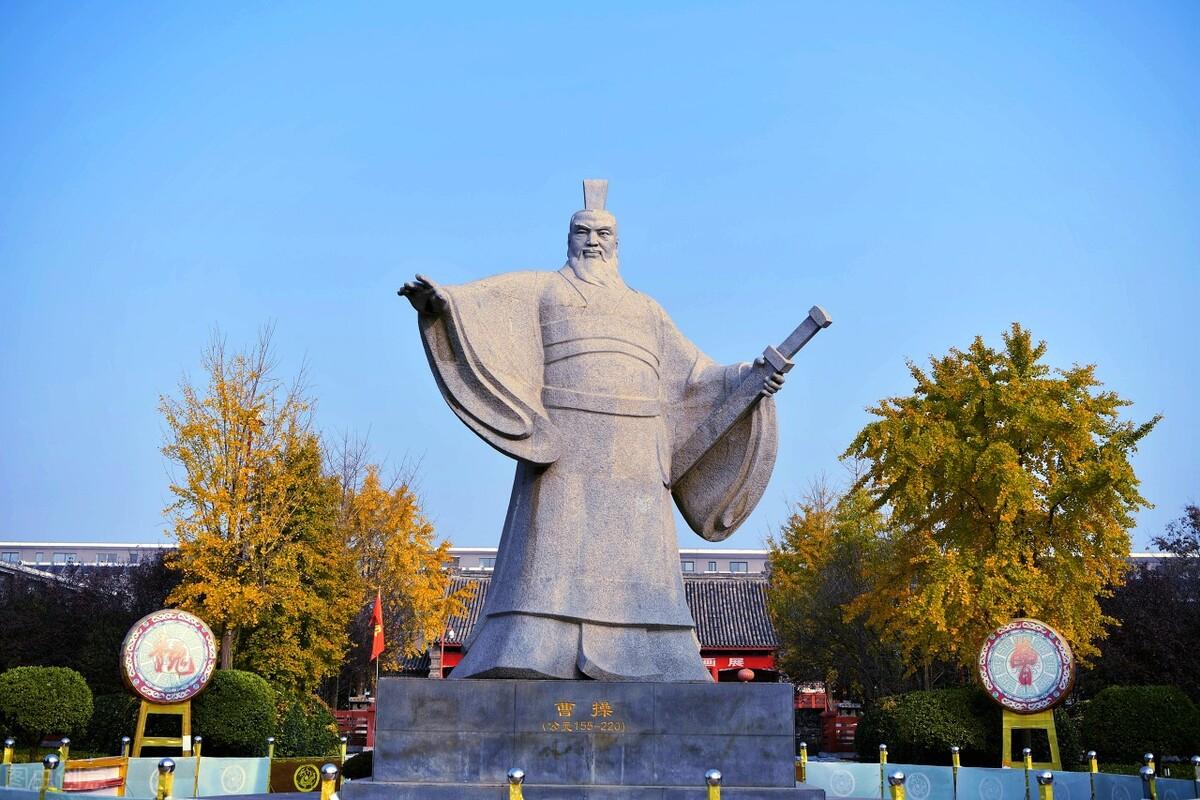
Wei, Shu and Wu were the three kingdoms, represented by Cao Cao, Liu Bei and Sun Quan, for a total of 60 years.

12. Western Jin Dynasty

Sima Yan, Emperor Wu of the Jin Dynasty, established the Western Jin Dynasty in 265 AD, which ended the tripartite confrontation between the three countries and realized the unification of the country. A total of four emperors lived for 51 years.

13. Eastern Jin Dynasty

Si Marui, Emperor of the Jin and Yuan Dynasties, was founded in 317 AD and died in 420 AD, surviving for 103 years.

14. Sixteen Kingdoms Period

Sixteen countries are not one of the most chaotic periods in our history. For a total of 135 years, the sixteen countries were: Qianliang, Chenghan, Qianzhao, Houzhao, Beiliang, Xiliang, Houliang, Nanliang, Qianyan, Houyan, Southern Yan, Beiyan, Xia, Qianqin, Xiqin and Houqin.

15. Southern Dynasties

From 420 AD to 589 AD, the Southern Dynasties lasted for 169 years. There were four dynasties: Song Dynasty, Qi Dynasty, Liang Dynasty and Chen Dynasty.

16. Northern Dynasties

From 439 to 581 AD, there were five dynasties, namely Northern Wei, Eastern Wei, Western Wei, Northern Qi and Northern Zhou, which survived for 142 years.

17. Sui Dynasty

Emperor Wen of Sui, Emperor Wen of the Sui Dynasty, ended the division of the country and achieved reunification. The Sui Dynasty was established in 581 AD, with two emperors. Emperor Yangdi Yang Guang died in 618 AD.

18. Tang Dynasty

In 618 AD, Li Yuan proclaimed himself emperor and founded the Tang Dynasty, and he lived for 289 years.

19. Wu Zhou

Wu Zhou was a dynasty established by Wu Zetian and the only feminist dynasty in China. It existed from 690 to 705 A.D. for 15 years, with only one emperor.

20, Five Dynasties

From 907 to 960, there were three dynasties, namely, Houliang, Houtang, Houjin, Houhan and HouFriday, which survived for 53 years.

21. Ten countries

The ten countries are: Qianshu, Yangwu, wuyue, Machu, Min, Nanhan, Nanping, Houshu, Nantang, Beihan, etc., with a total survival of 88 years.

22. Northern Song Dynasty

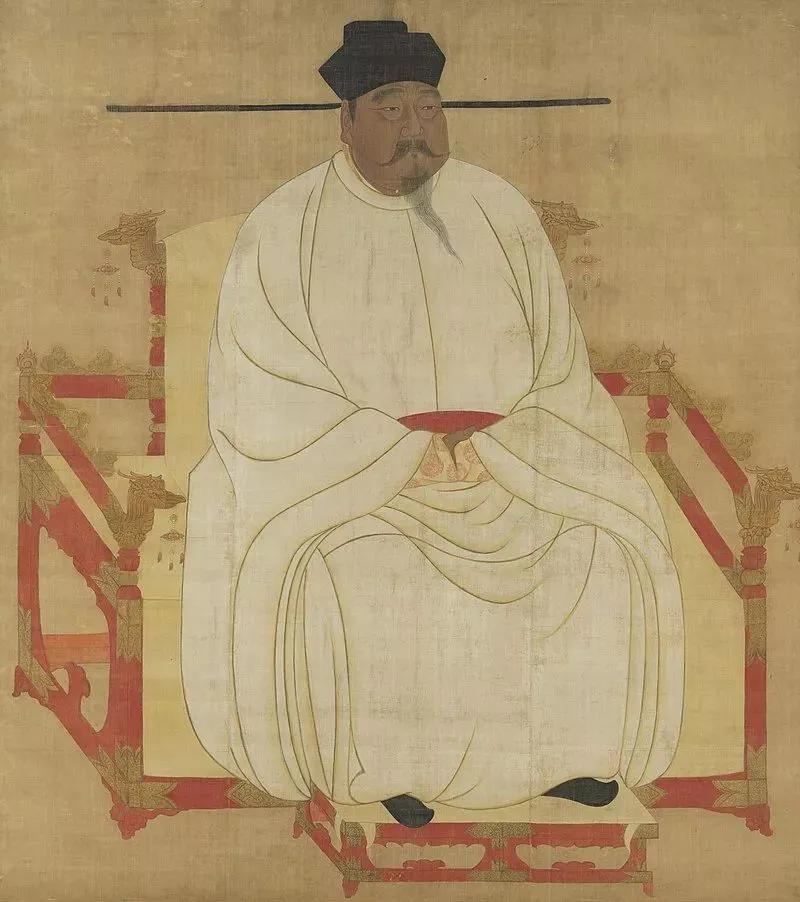
Zhao Kuangyin, Song Taizu established the Song Dynasty and reunified the country. It survived for 167 years and died in 1127.

23. Southern Song Dynasty

The founder, Zhao Gou, Song Gaozong, existed from 1127 to 1279, with a total of 152 years.

24. Liao Dynasty

The founder, Yelu Abaoji, lived for 218 years from 907 to 1125.

25. Xixia

Li Yuanhao, the Emperor Jingzong of Xia Dynasty, was founded in 1038, experienced 189 years and died in 1227.

26, rulers

Akuta was founded in 1115-1234, with a total of 119 years.

27. Yuan Dynasty

The founder, Kublai Khan of Yuan Taizu, lived for 97 years from 1271 to 1368.

28. Ming Dynasty

Zhu Yuanzhang, the founder of the Ming Dynasty, was a real self-made emperor in the history of China. The Ming Dynasty existed for 276 years, was founded in 1368 and was destroyed in 1644.

29. Qing Dynasty

The founding emperor of the Qing Dynasty was Nurhachi. According to historical records, the real Qing Dynasty should be counted from the entry of Huang Taiji, and the former was called the later Jin Dynasty. From 1636 to 1912, it existed for 276 years and was the last feudal dynasty in China.